
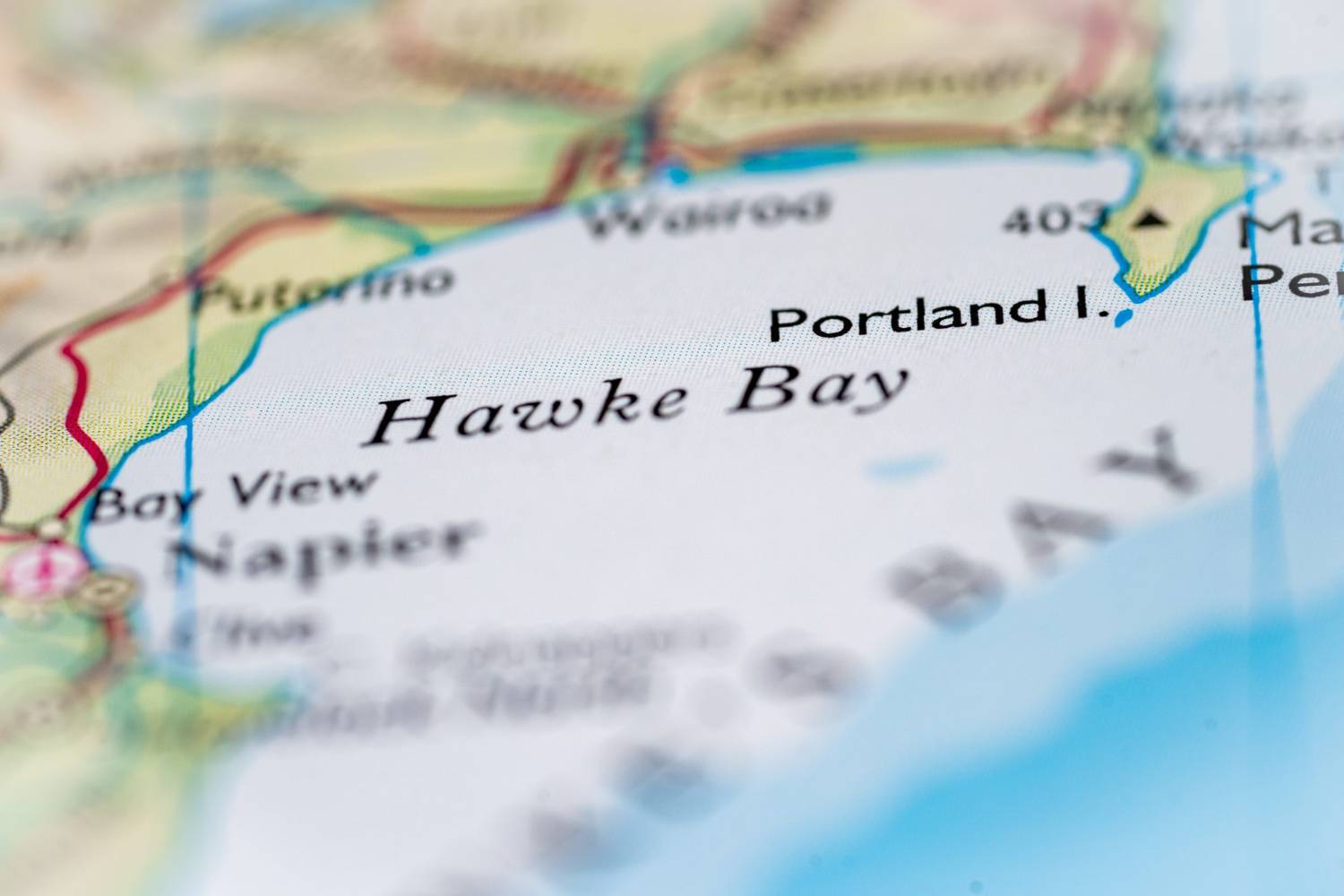
Hawke’s Bay makes one of the strongest overall cases in this collection, and it is the region we find ourselves comparing most often to the Bay of Plenty. On most measures that a clinician feels, it wins.
The arithmetic
Clinical pay in New Zealand is set nationally. A nurse, radiographer, physiotherapist or sonographer on a given step earns the same in Hastings as in Auckland or Tauranga. What changes is what the money buys.
Here it buys a good deal. Housing costs meaningfully less than in Tauranga or Auckland for a comparable coastal, sunny lifestyle — not as little as Palmerston North or Southland, but enough that buying a family home on a clinical salary is achievable. Commutes are twenty minutes. Parking is easy. The food and wine are extraordinary and, being local, are cheaper than they should be.
The offsets are real: this is four hours from Wellington and two and a half from Palmerston North, so tertiary care and some services mean travelling. Parts of the region carry significant deprivation. And the region is still finishing a recovery from a major cyclone. None of those things should stop you — but you should know them.
A typical week
The six things people ask us
Is there enough clinical work?
Yes. Hawke’s Bay is a base hospital serving a whole region of a hundred and eighty thousand people, including a large rural catchment north to Wairoa and south to Central Hawke’s Bay. Acute medicine and surgery, emergency, maternity, paediatrics, intensive care, imaging and a broad outpatient service. It is not a tertiary centre, so the most complex work goes to Wellington — Healthcare here is specific about what stays and what travels.
Napier or Hastings?
The first real question here, and there is no wrong answer. Napier for the coast, the Art Deco streets and a slightly more polished feel; Hastings for the hospital on your doorstep, more space for your money and a more mixed, working city. Havelock North sits between them and takes the premium for it. Where clinicians live compares them properly.
How is the region after Cyclone Gabrielle?
Largely recovered, though not everywhere. The cities functioned throughout and are fine. Some rural valleys, roads and communities — particularly north towards Wairoa and in the Esk and Tūtaekurī valleys — took severe damage and parts are still rebuilding. It has left a lasting mark on rural mental health and on how the region thinks about resilience, and it is part of the clinical work.
Is it a good place with children?
Very. Sunshine, beaches, space, sport, short commutes and a full range of schooling including well-regarded state, integrated and private options. Popular schools are zoned, so check the exact address before you sign a lease.
Is it international enough?
More than the size suggests. The health workforce has recruited overseas for years, the horticultural economy brings a substantial Pacific community, and there are established Indian, Filipino and South African networks. Smaller than Auckland, but you will not be the only international clinician on the ward.
What is the weather really like?
Hot and dry in summer — the closest thing the North Island has to a Mediterranean climate — with mild winters on the coast and frosts inland. The main caveats are drought in some years and the east coast’s exposure to weather from the tropics. The region at a glance covers all of it.
Where we’d point you instead
- Want the same warmth and coast with a bigger city around it? Bay of Plenty — though read its cost chapter first.
- Want the best housing value in the North Island? Palmerston North, two and a half hours south-west.
- Want a tertiary hospital and affordable housing? Waikato.
- Want rural practice with autonomy and the strongest Māori health work in the country? Gisborne, four hours north.
Hawke’s Bay suits clinicians who want the good-life move to still feel professional — a proper base hospital, then vineyards and coastline for everything after five. It’s the region we hear the fewest regrets about.