

Two professions.
Two registers. One team.
Two professions, two councils, and midwifery leading maternity care.
We are not recruiting nurses or midwives at the moment
We do not currently have nursing or midwifery vacancies. The organisations we work with recruit nurses and midwives from overseas only when they cannot fill posts from within New Zealand, and at the moment they can. That says nothing about opportunities elsewhere: public hospital vacancies are advertised directly by the services themselves.
It can turn on a single service’s recruitment round, and when it does, this page will say so. Everything below is here because the decision about whether to come is worth making properly either way.
Help you work out whether to come at all
The registration route for your scope, how the maternity model works, what the visa asks of you, what the towns cost and what a likely timeline looks like — the same guidance every profession on this site gets, free, with nothing attached to it.
Advertise roles we do not have
We will not list nursing or midwifery vacancies we are not recruiting for, and we will not take your CV against a someday. Register with Ethicare and we will tell you if this changes, rather than market to you in the meantime.
Which of these are you?
Two councils, several scopes, separate applications — and the route is different for each. Start here and the pathway checker gives you the likely one for yours in about two minutes.

Registered nurses
The Nursing Council assesses your qualification, registration history and recent practice — the checker maps the route.
Nursing Council of New Zealand
Midwives
A separate profession and a separate register — assessed on its own, even if you hold dual registration elsewhere.
Midwifery Council of New Zealand
Nurse practitioners & advanced practice
Advanced scopes are assessed individually — tell us what you hold and we will point you at the right door.
Nursing Council of New Zealand
Mental health nurses
Your team and your settings are explained with the mental health family — the register is the same Nursing Council.
With the mental health familyAnother nursing role
Healthcare assistants, nurse educators, quality and leadership roles. Send us your CV.
Send your CVNursing is not one job — and not one registration pathway
“Nurse” covers several scopes of practice here, each with its own entry on the register. Midwifery is not one of them: it is its own profession, its own degree and its own council.
Registered nurses
The core of every ward, clinic and community team — the largest workforce in the health system.
Nurse practitioners
Advanced scope with prescribing and independent caseloads — a growing route, especially rurally.
Specialty nursing
Theatre, ICU, emergency, mental health, oncology — the specialty shapes the week more than the title.
Midwives
A separate profession with its own register, in community caseloads or hospital units — not a nursing specialty.
Midwifery works differently here
Most New Zealand births are led by a midwife rather than an obstetrician. A Lead Maternity Carer holds the whole episode — booking, pregnancy, birth and the weeks after it — with obstetric teams involved when there is a clinical reason for them to be.
Not every midwife works that way. Community-based LMC midwives carry a caseload rather than a shift, and are the person the decision rests with at three in the morning. Hospital-employed midwives work rostered shifts in maternity units as part of a multidisciplinary team, on collective-agreement terms. The two are quite different weeks, so decide which model suits your experience and the way you want to work before you move for either. If you hold both nursing and midwifery registration elsewhere, the two are assessed separately here.
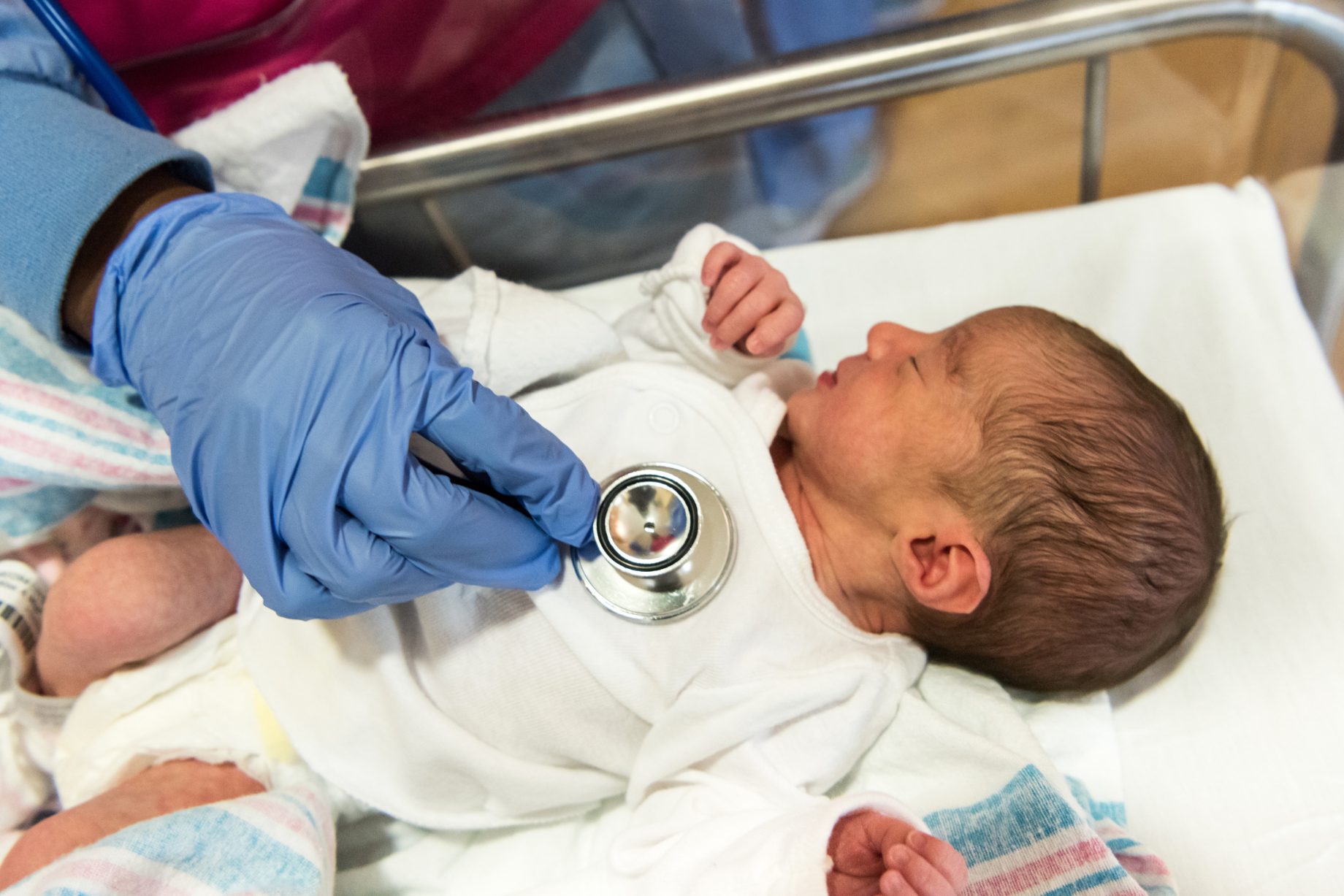
Nursing here does not have to mean a hospital ward
Hospital wards are the visible part. A large share of nursing happens in primary care, in homes, in schools and in aged care — and midwifery happens wherever the whānau is.
Hospital services
The acute core, on collective-agreement terms.
Wards & acute care
Medical, surgical and specialty wards, with the staffing ratios and after-hours reality worth asking about per site.
Critical care & emergency
ICU, HDU and ED — specialty experience employers ask for specifically.
Theatre & perioperative
Scrub, circulating, anaesthetic and recovery nursing — explained properly with the theatre family.
Maternity units
Hospital midwifery, obstetric wards and neonatal care alongside the community LMC model.
Community & primary
Where the system is deliberately moving more care.
Primary care & practice nursing
General practice clinics with broad scopes — triage, long-term conditions, immunisation, minor care.
District & community nursing
Home-based care, wound care, palliative support — you drive, and you see how people live.
Community midwifery
LMC caseloads through pregnancy, birth and the postnatal weeks — continuity as the model, not the exception.
Māori & Pacific health providers
Kaupapa Māori and Pacific services, with whānau at the centre of the model.
Beyond the hospital
Careers that look nothing like a ward roster.
Aged care
Residential and community aged care — where demand is growing fastest, and where many overseas nurses start.
Mental health nursing
Community and inpatient teams — explained properly with the mental health family.
Schools, occupational & public health
School nursing, workplace health, screening and population programmes.
Rural nursing
Broad scope, autonomy, and being the health service for a community — the widest version of the job.
What applies across nursing & midwifery
The things that are the same whichever scope you hold.
Who regulates this work?
Nurses register with the Nursing Council of New Zealand, where registered nurse and nurse practitioner are separate scopes with separate requirements. Midwives register with the Midwifery Council of New Zealand, as a separate profession with its own application, even if your home country treats midwifery as a nursing specialty.
Registration is the first gate, and it runs on its own timeline. How registration works · Check your pathway
What does the pay look like?
Public-system pay is set by collective agreement, so your base salary comes from a national scale and not from a negotiation with the hospital. Your step on that scale, your hours and your on-call commitment are what vary. Aged care, primary care and private employers sit on different agreements — which is why two offers with the same title can differ. Public or private is not the same job with a different employer: ask which agreement covers a role before comparing offers.
Which visa would I need?
Most clinicians move on a work visa tied to an accredited employer. Registered nurses in every specialism, nurse practitioners and midwives sit in Tier 1 of the Green List — Straight to Residence — which changes the route considerably. Checked against Immigration New Zealand’s Green List (Appendix 13, in force from 9 March 2026); the list changes, so confirm it against your own occupation before you plan around it.
The visa can usually run alongside registration. Visas and residence
What about the rest of the move?
Schools, housing, healthcare, banking, shipping and the first few weeks each have their own guide.
Guides · resources — the practical side, in order.
Where to look while we are not recruiting
We are not going to send you to a vacancy list we do not have. What we can do is help you understand your likely registration pathway, and whether further assessment is needed, before you apply for anything — which is the part that costs people money. The final decision rests with the Nursing Council or the Midwifery Council.
Applying to a public hospital vacancy does not need an agency. If you would rather know first whether the move stacks up at all, start with the pathway checker and the cost calculator, and register with Ethicare if you want to hear when this page changes.
Weighing up the move anyway?
Placement or no placement, the guidance is yours. The pathway checker shows your likely route before you spend money on anything; the councils decide the rest.