

Medicine in New Zealand,
from house officer to SMO.
SMO and specialist posts, and the registrar and house officer roles that rarely reach a job board.
Your specialty, and the pathway that goes with it
Which pathway you take depends on your qualification, your training and how recently you have practised.
If you are going for specialist registration, your College assesses you. The general-scope routes most registrars and house officers take are not assessed that way, and they run to different timelines.
Each specialty we recruit into has its own guide below. For any other, talk to us.

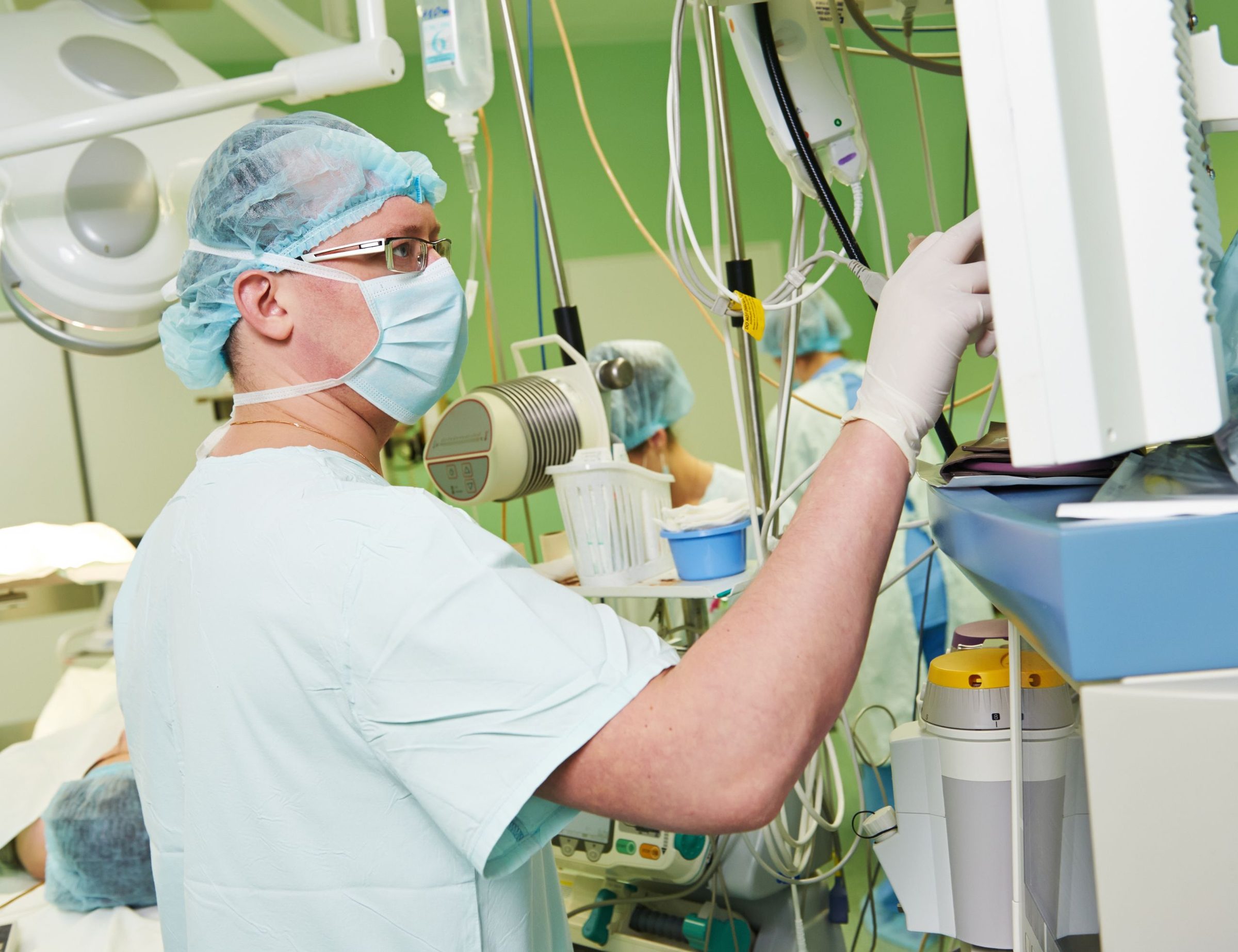
Anaesthetists
Generalist theatre breadth, and one of the quicker registration routes.
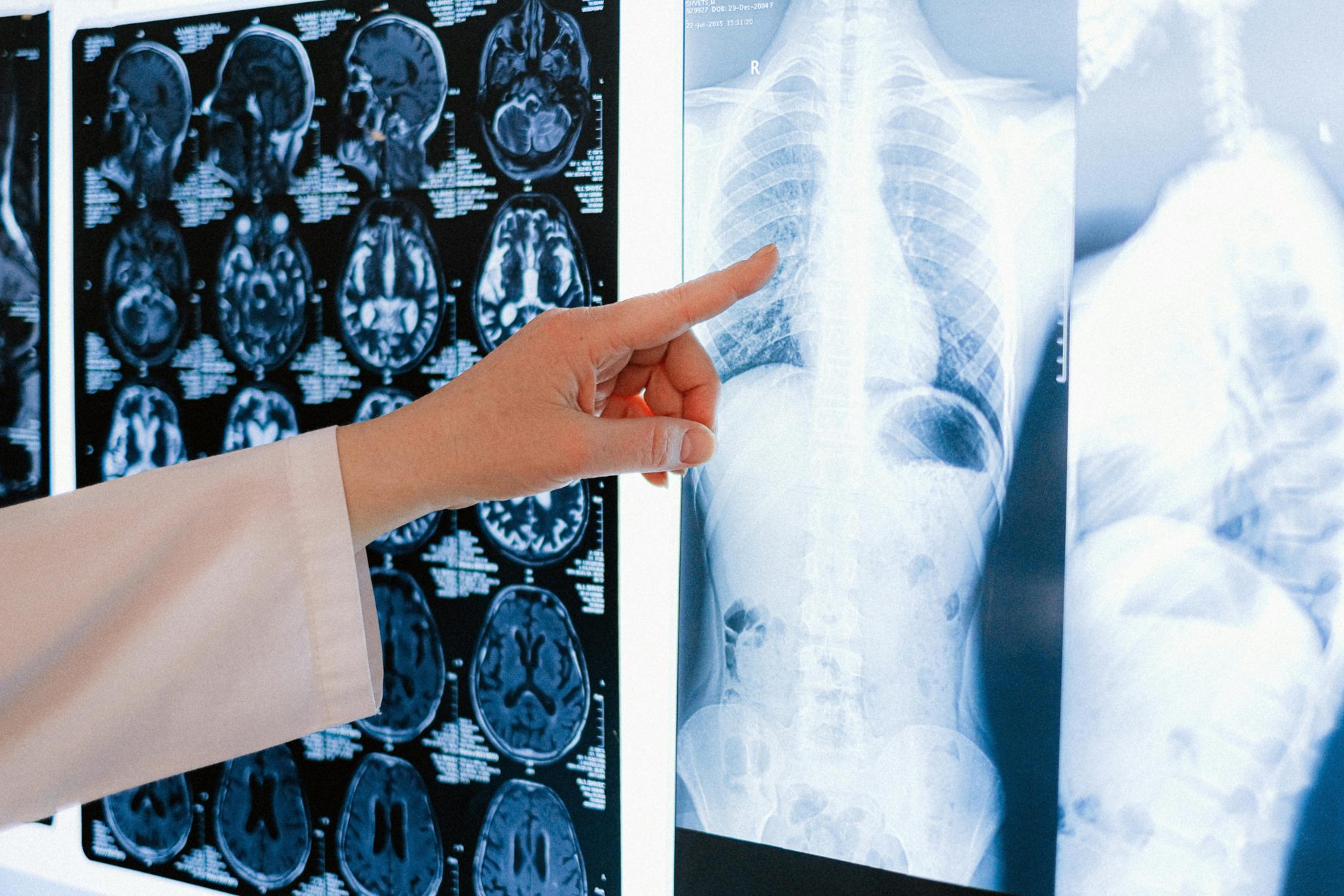
Consultant radiologists
Subspecialty reporting, with comparability assessed by the College.
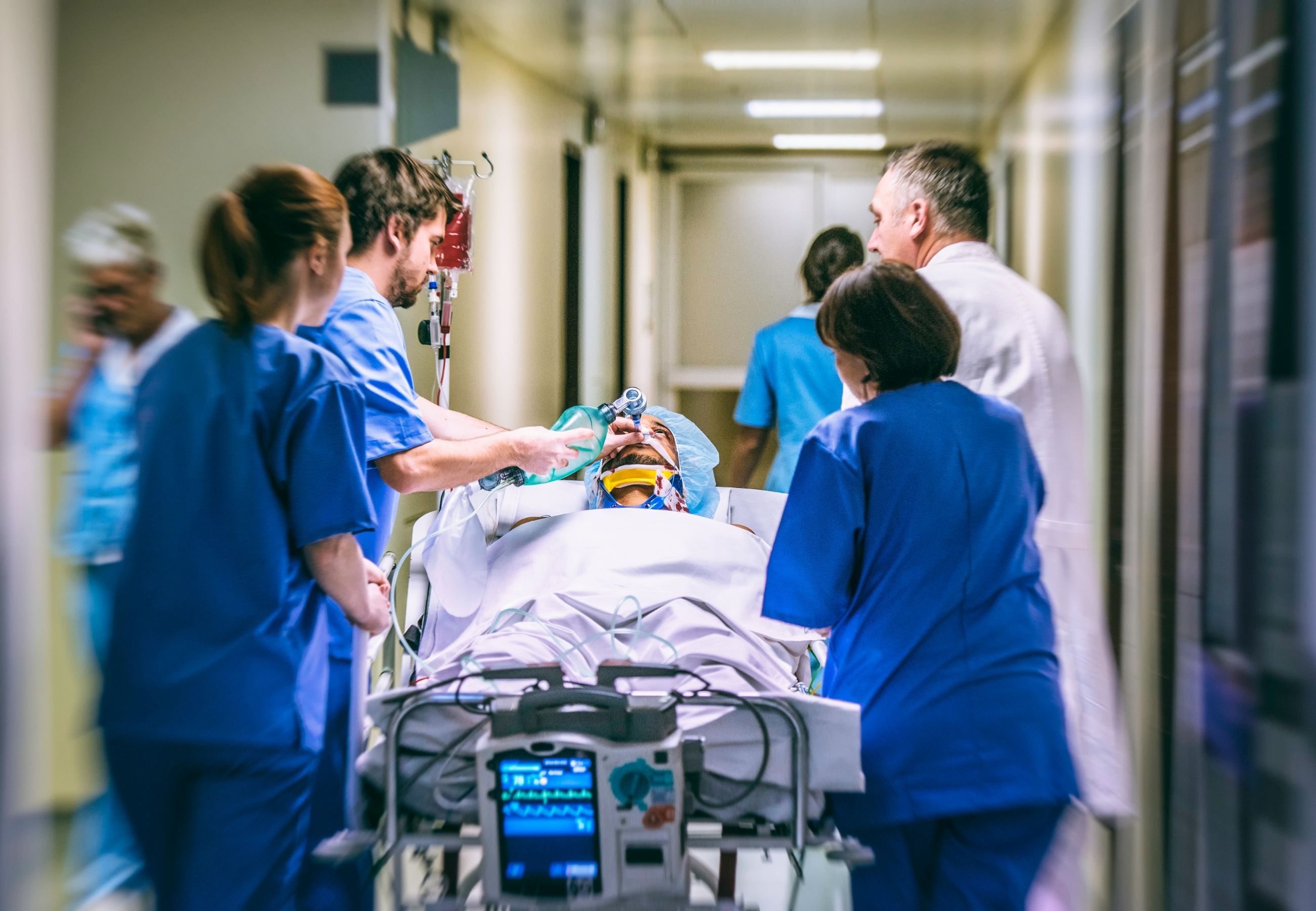
Emergency medicine
Smaller departments, senior doctors on the floor, retrieval work within reach.

General practitioners
Longer consultations and continuity of care.
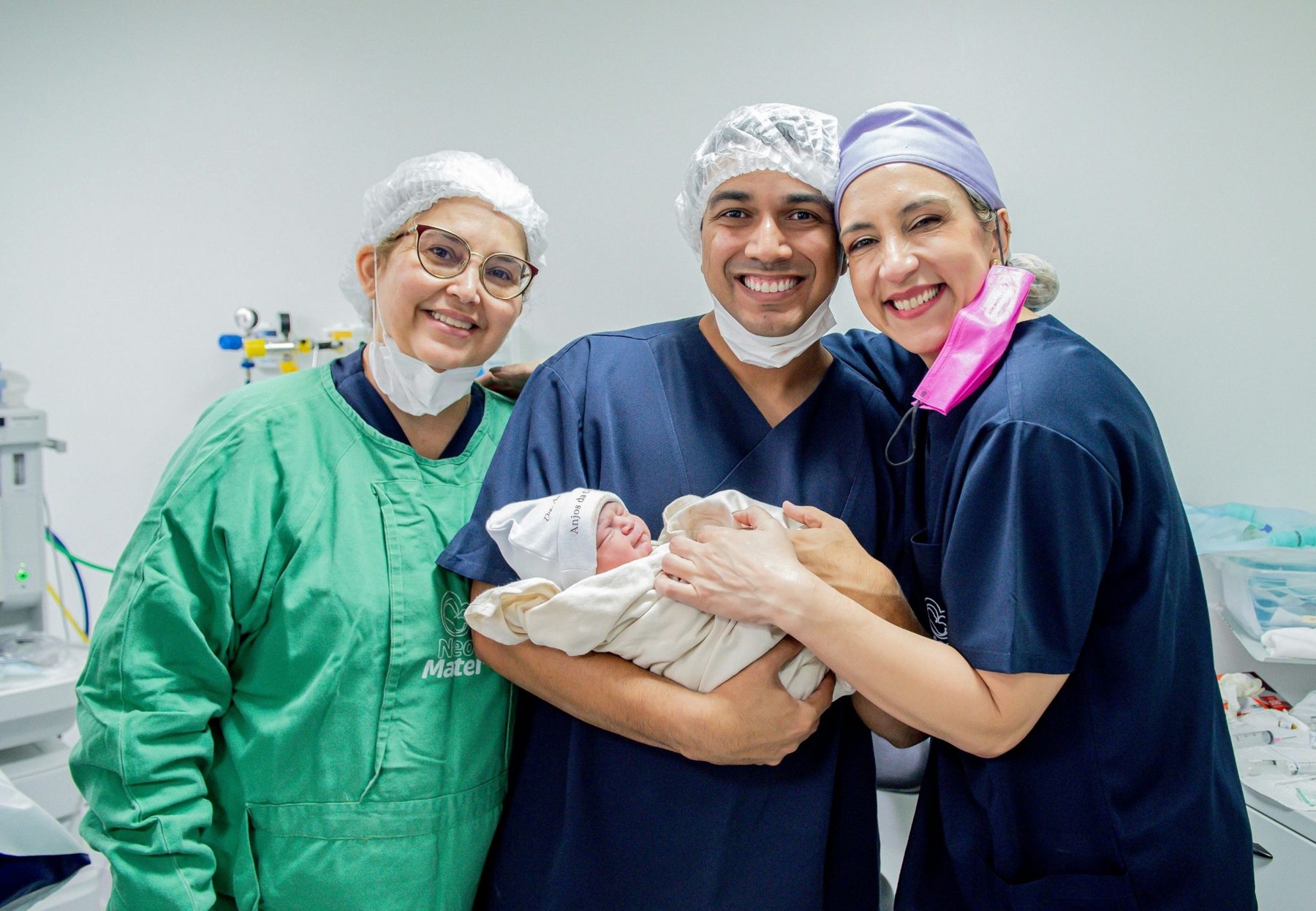
Obstetrics & gynaecology
A Lead Maternity Carer model, and mixed obstetric and gynaecological lists.
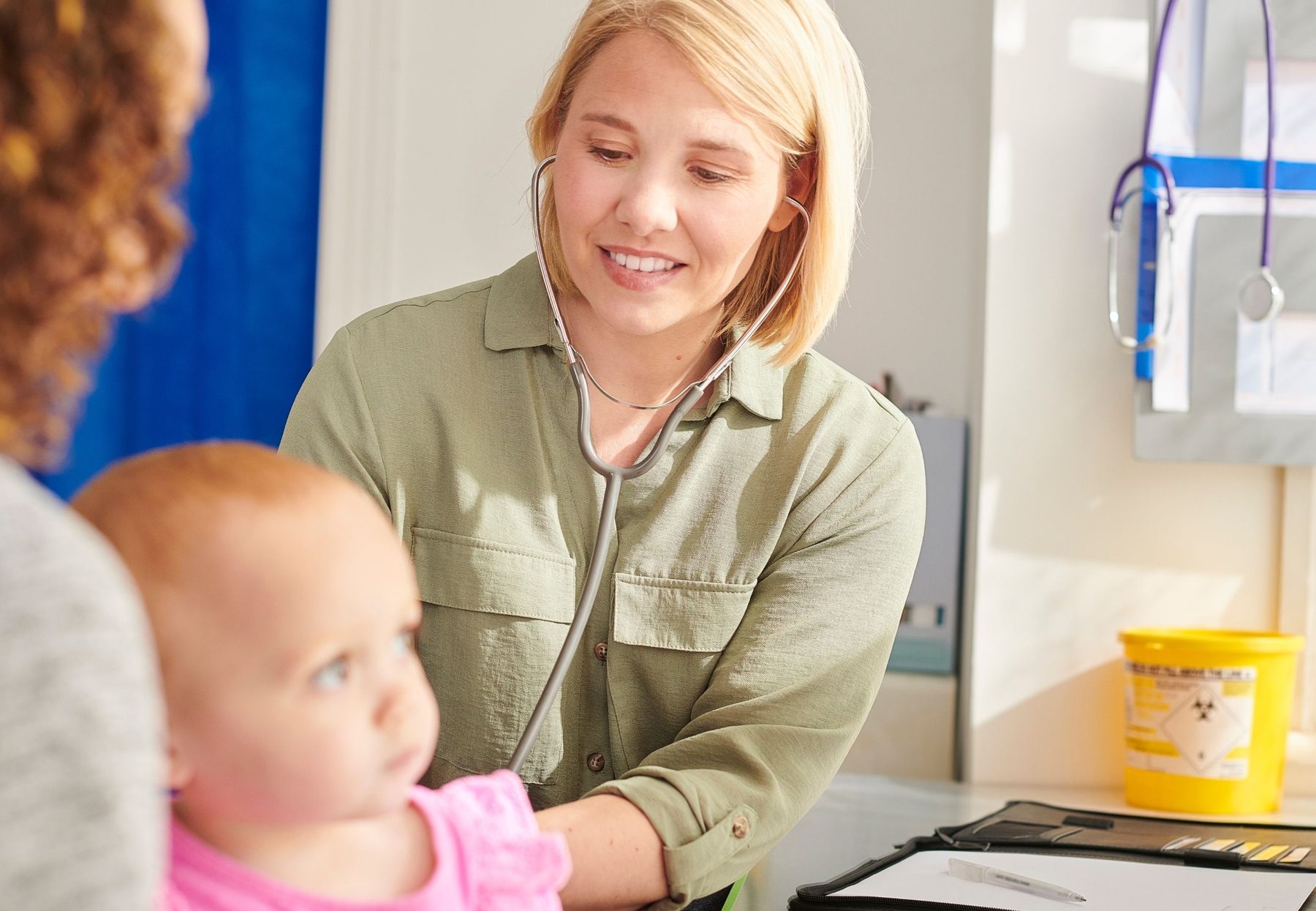
Paediatricians
General paediatric breadth, and child health that reaches outside the hospital.

Psychiatrists
Community-first services, and a model of wellbeing you have not practised before.
RMO, SHO & registrar
House officer, SHO and registrar posts: general registration, and jobs that are rarely advertised nationally.
Another specialty
We recruit SMOs across many more specialties than these. Send us your CV.
Registration, pay and your move
Registration
The Medical Council of New Zealand registers all doctors. For specialist (vocational) registration, your College assesses whether your training is comparable and the Council decides on that advice; general and provisional general registration do not involve a College assessment. Registration runs on its own timeline and is nearly always the longest part of the move, so it is the thing to settle before you give notice or enrol a child in a school.
Pay
Public-system pay is set by a national collective agreement, so your base salary comes from a published scale. Your step on it, your hours and your on-call commitment move the total. Private and ACC-funded work sits outside the agreement.
Immigration
Most doctors move on a work visa tied to an accredited employer. General practice, anaesthesia, psychiatry, emergency medicine, paediatrics, obstetrics and gynaecology, radiology, ophthalmology and the physician and surgical specialties sit in Tier 1 of the Green List (Straight to Residence), checked against Immigration New Zealand’s Appendix 13 in force from 9 March 2026. The list changes, so confirm your own occupation before planning around it. The visa can usually run alongside registration.
The rest of the move
Schools, housing, healthcare, banking, shipping and the first few weeks each have their own guide, and Plan Ethicare puts them in order for your household.
The job titles are different here.
New Zealand adverts use their own names for the same jobs. The left-hand column uses UK grade names, because they are the ones most widely recognised; if you trained elsewhere, the registration column is the part that matters.
| The title you may know | In New Zealand | Registration you need |
|---|---|---|
| Consultant | SMO — senior medical officer | Vocational scope, in a named specialty |
| Registrar, ST3 and above | Registrar, often advertised alongside SHO posts | General scope |
| FY2 | House officer | General scope |
| FY1 | PGY1, the internship year | Provisional general scope |
| Junior doctor | RMO — resident medical officer | General scope |
Doctors new to New Zealand often start in a provisional scope, working under supervision, before moving to the full one. The Council sets out every route on its own site — pathways to a vocational scope — and our guide to registering with the Medical Council walks through what it asks for.
Fewer layers between you and the patient
New Zealand is small enough that the same SMO may see a patient in clinic, operate on them, take the call about them at two in the morning and write to their GP afterwards. Sub-specialty depth is thinner than in a large system; generalist breadth is expected, and valued.
The GP is the front door, and the loop closes with them
General practice holds the long-term relationship; patients come to you from a GP you may know by name and return there after discharge.
General practice · outpatient clinics · shared careBuilt around distance
Smaller departments, senior doctors on the floor, and air and road retrieval as a routine part of acute care.
Emergency medicine · anaesthesia · retrieval · nursingDecisions reach you sooner
Fewer registrars between you and the patient, and much of the care after discharge carried by community teams, district nursing and aged residential care.
Senior medical officers · registrars and RMOs · allied health · community nursingYou will do more of your own work. For many arriving specialists that broader responsibility is both the attraction and the biggest adjustment of the first year.
The second surprise is how small the professional community is: in most specialties you will know your counterparts around the country by name within a year or two.
Where the work happens
A tertiary post, a regional hospital and a rural generalist role are further apart here than the job titles suggest. Location sets your case mix, your on-call, your sub-specialty support and how far away the nearest scanner is.
Hospital medicine
Most of it happens outside the main centres.
Regional & secondary hospitals
Broader case mix, less sub-specialty support and clinical decisions that are yours to make. A good number of consultants arrive intending to take a tertiary post and stay in one of these instead.
Tertiary centres
Sub-specialty work, complex referrals, teaching and research, concentrated in a handful of cities.
Public and private
Public work is unselected acute medicine, collective-agreement pay and the on-call that comes with it. Private practice is elective lists, more control over your week and income outside the agreement. Many SMOs hold both.
Outside the hospital
Careers where the working week looks nothing like a ward round.
General practice & community
Longer consultations and continuity of care, with a business model attached to the clinical one.
Rural generalist
Broad scope, autonomy, and distance as a factor in every decision. Best entered with a plan for the professional isolation that comes with it.
Retrieval, transport & telehealth
Geography makes this core work: air and road retrieval, and telehealth that stands in for a clinic.
Aged residential care
An increasing share of medicine, mostly outside hospital walls, and one of the quieter routes into a portfolio career.
Beyond direct care
Clinical careers where the patient is a population, a cohort or a student.
Māori & Pacific health providers
Kaupapa Māori and Pacific organisations delivering care on their own terms, with whānau at the centre of the model.
Public health & population health
Prevention, screening, outbreak and policy work — a clinical career with the patient defined as a population.
Academic, teaching & research
Joint appointments with the medical schools, trials work and supervision, usually alongside clinical sessions.
Locum & fractional work
A way to try the country, and a specialty, before committing your family to either. Sometimes it is the better first step, and we will say so.
Location is a clinical decision
Two hospitals four hours apart can offer the same job title and a very different week: the on-call, the case mix, and how far the nearest tertiary centre is. The destination guides cover each region.
Explore the destination guides →You do not have to work this out on your own
Two doctors with almost identical CVs can face different routes into New Zealand. Which College assesses you, where you trained, how recently you have practised in the specialty and what your logbook shows all move the answer.
We look at what you hold, where you trained and the kind of practice you want, then set out the likely route, the steps and the timeline that goes with it. The Council makes the final decision on eligibility. If there is an obstacle, we say so before you pay a College assessment fee.
Current opportunities
SMO and specialist posts we are recruiting for now. Registrar and house officer posts have their own page.
Plan your move
The pathway checker shows the pathway likely to apply to you and what it involves, before you spend money on anything. Found yours? Register your interest and we will take it from there.