

Gisborne
First light, autonomy, and the work that matters most
A guide to living, working and settling on New Zealand’s most easterly coast — written for healthcare professionals, by the team who help them move.
The region we’re most careful about matching.
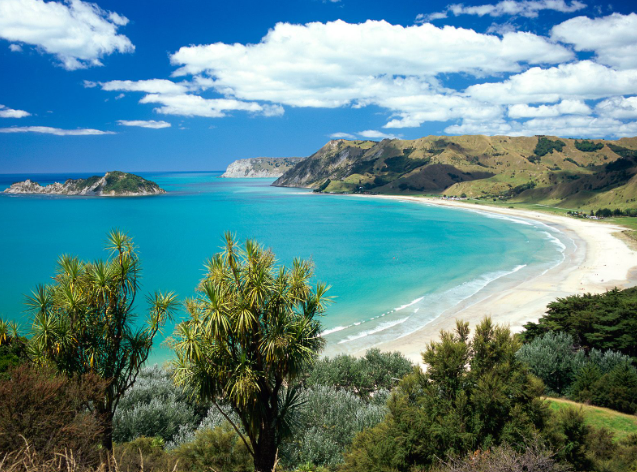
Gisborne is the most easterly city in New Zealand and the first in the world to see the sun. Around fifty-two thousand people across a district the size of a small country — three rivers meeting the sea, a surf coast running north to the East Cape, and steep hill country behind.
Over half the district’s people identify as Māori, the highest proportion of any region in the country. Te reo and tikanga are part of ordinary working life here to a degree unmatched anywhere else, and iwi-led providers deliver a substantial share of care.
There is one hospital, and it is a rural hospital rather than a base hospital — four hours from the nearest one, in Hawke’s Bay. That means wide scope and autonomy for the clinicians it suits, and no role at all for many hospital subspecialties. Read the healthcare chapter first.
Nau mai, haere mai ki Tairāwhiti.
Ngā mihi nui — the Ethicare team
Gisborne, in short
The five-second versionWhat’s inside
Fifteen chapters in five parts. Nine are written for Gisborne; the rest are national and live once in Moving to New Zealand, so you only read them once.

Ready to explore opportunities?
Read the guide, save it to your pack, and plan the move at your own pace — even if that’s a year from now.