

Gisborne is small enough that everywhere is ten minutes from the hospital, so the choice here is about what you want your street to be — town, beach, or the flats out towards the vines. The real constraint is not distance. It is what is available.
Nothing in this chapter is far from the hospital. What differs is the kind of place you wake up in.
- A town street
- Character housing and mature gardens on the settled side of the water, with the gardens and cafés walkable. The settled heart of the city, and still modest money by national standards.
- A beach street
- North along the surf coast, where the day starts with a look at the water. The district’s premium addresses, with little on the market at any one time.
- A country road
- West onto the flats among the vines — land, sheds and space, still inside a quarter-hour of work. The option most regions can’t offer at all.
Availability, not distance, is the real constraint here — start the search early and be ready to move on the good ones.
In the city
Central Gisborne & Whataupoko
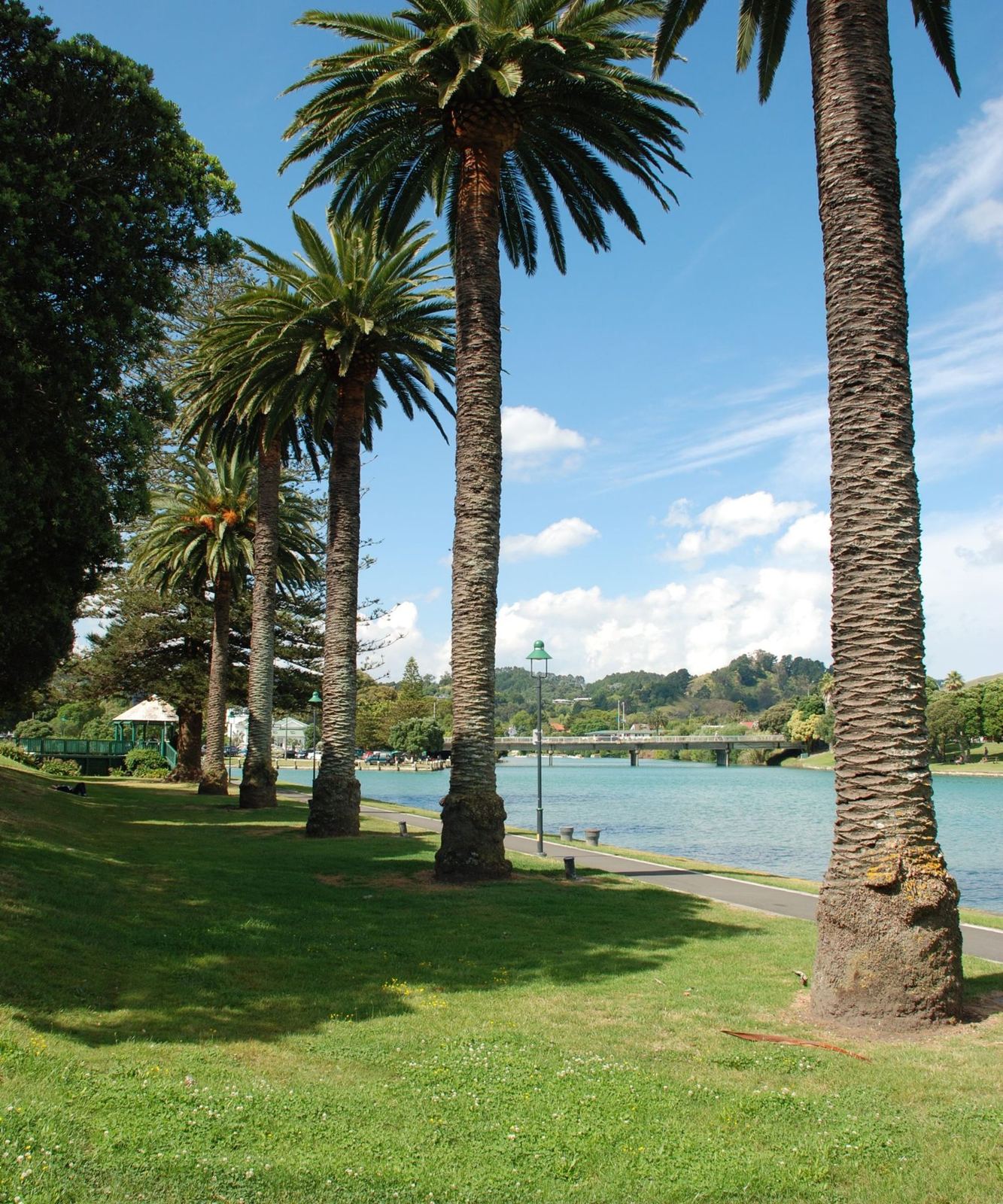
Established, leafy streets just north of the rivers, with the city’s better character housing and the Botanical Gardens. The most sought-after part of town, and still modest by national standards.
Mangapapa
Solid, settled family housing north of the centre, well served by schools. A common first house for relocating families.
Riverdale & Lytton West
Mixed suburbs west of the river with good-value family homes and easy access across town.
Kaiti
East of the harbour beneath Titirangi, the city’s largest and most strongly Māori suburb, with significant deprivation alongside real community strength. The most affordable housing in the city, and where much of the region’s most important health work happens.
Elgin & Outer Kaiti
Affordable, working suburbs on the city’s edges. Good value, variable housing stock — check insulation carefully.
The beaches
Wainui Beach
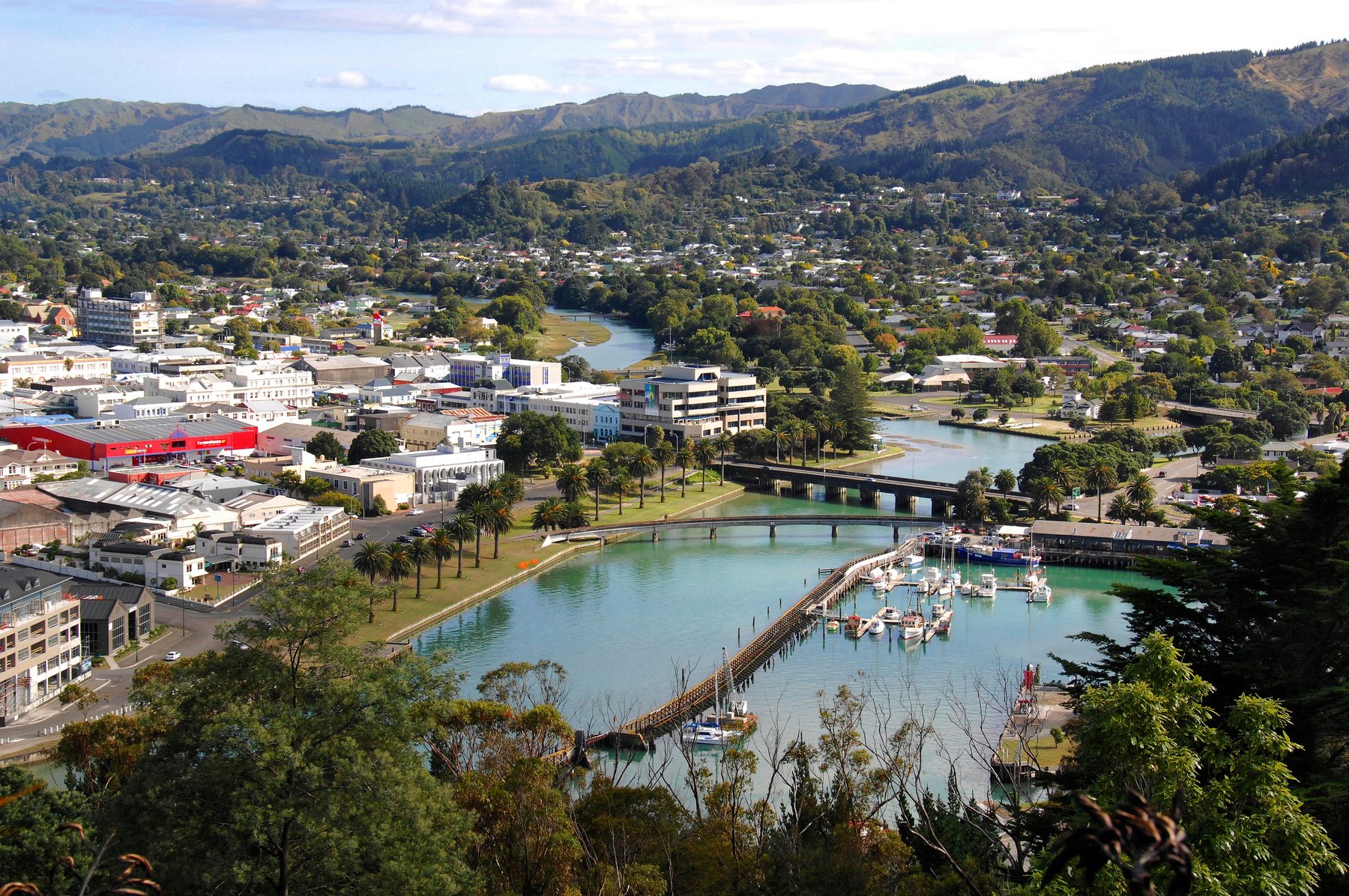
Ten to fifteen minutes north of the city, along one of New Zealand’s best surf beaches. The premium address in the district and, for a lot of people, the reason they came. Limited stock and priced accordingly.
Okitu & Makorori
Further along the same coast — smaller, quieter, more scattered. Twenty minutes to work, and the surf at the end of the drive.
Out of town
Matawhero & the flats
West towards the vineyards — lifestyle blocks, land, and space for the money. Ten to fifteen minutes in.
Patutahi & Manutuke
Small rural settlements twenty minutes from the city, among the vines and farmland. Cheap, quiet and rural.
Up the Coast — Tolaga Bay and beyond
Forty-five minutes and more north. Small, strongly Māori coastal communities with their own rural clinics. Its own decision, not a commute — and the part of the district most affected by road closures.
Three things to sort before you commit
- Availability, not price. Housing here is affordable but stock is limited and good rentals move quickly. Ask your employer what accommodation support exists, and start looking early.
- Insulation, ventilation and heating. The stock is older than average and quality varies widely. Ask for the Healthy Homes compliance statement and look for a heat pump.
- Flood and slip exposure. A live question after 2023, particularly on the river flats and up the coast. Ask directly about a property’s history and its insurability.
Schooling choice is more limited than in a larger city, and popular schools are zoned by address — see Schools & education. How renting works — the application pack, bond, tenancy rights and the Healthy Homes standards — is national and covered once in Renting in New Zealand.