
The version: Christchurch is the sensible choice, and people are sometimes embarrassed by how much they end up liking it.
Auckland is where the jobs are. Wellington is the one people romanticise. Christchurch gets chosen for practical reasons — a serious hospital, a house you can afford, a twenty-minute commute — and then keeps people for reasons they did not anticipate.
The case, in four parts
A typical week
Not a brochure week. An ordinary one, from people who work here.
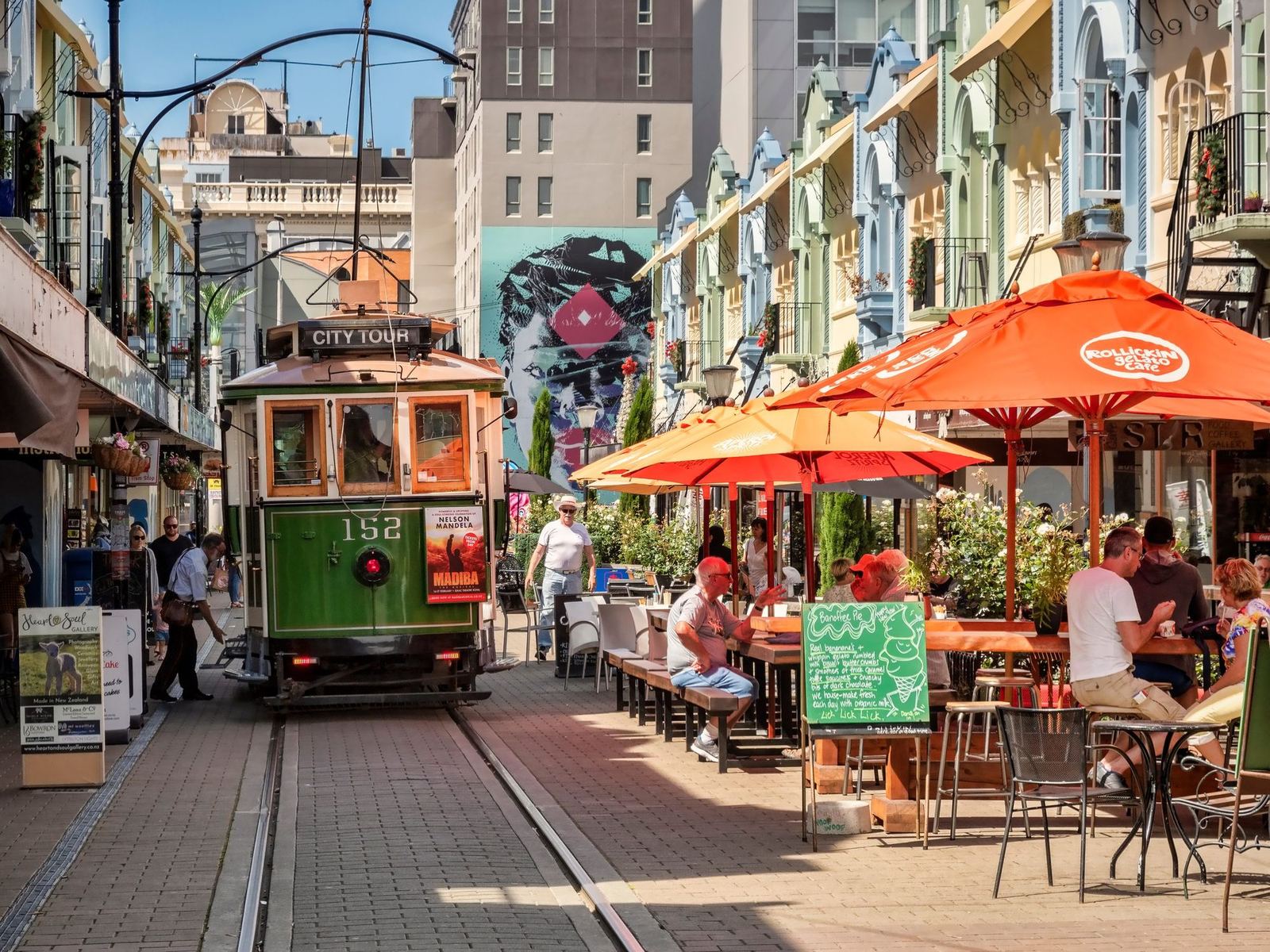
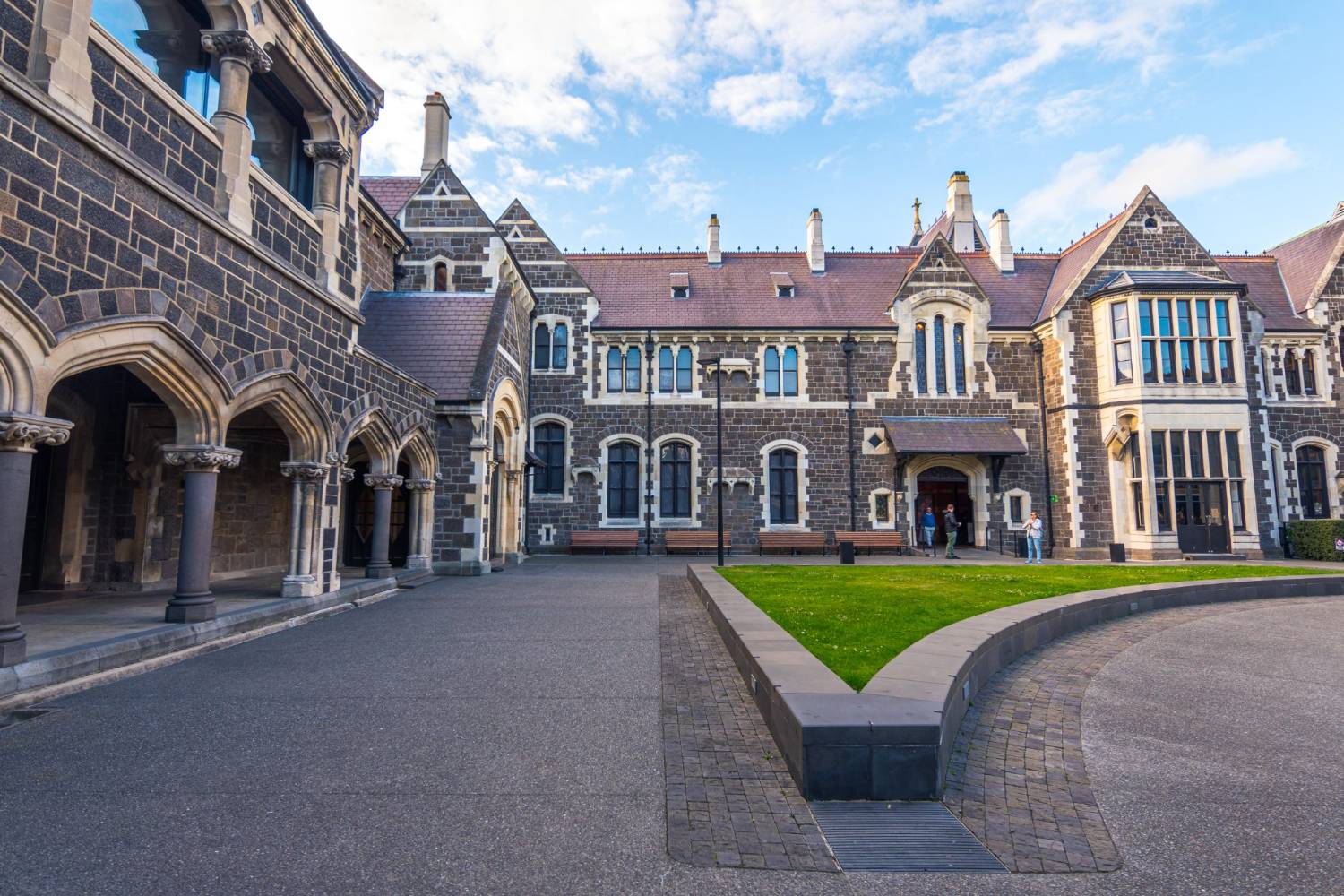
- Weekday mornings — a fifteen-to-twenty minute drive, or twenty-five on a bike along one of the major cycleways. Parking at the hospital is an irritation; a lot of staff cycle for that reason alone.
- Lunch — Riverside Market if you are in town, or one of the cafés along Lincoln or Papanui Road. Coffee is good and taken seriously, though nobody here would claim Wellington’s crown.
- A weekday evening — light until nine in summer. Walk in Hagley Park, swim at Jellie Park, or drive fifteen minutes to Sumner for fish and chips on the beach.
- Saturday, winter — up early, at Mt Hutt by nine, home by five. Skiing is an ordinary hobby here rather than an annual trip.
- Saturday, summer — the Port Hills tracks, the estuary, or Akaroa for the day if you want the drive.
- Sunday — a market, the Botanic Gardens, or the long slow business of a house and a garden, which is what a lot of people came here for.
The six things people ask us
Is the clinical work as good as Auckland’s?
For tertiary work, yes. The city’s tertiary hospital serves the whole southern half of New Zealand — roughly a million people across an enormous geography. That catchment means complexity and volume a city of 400,000 would not otherwise generate.
Are the earthquakes still a factor?
Not in the way people outside New Zealand imagine. The sequence that began in 2010 is long over. What remains is a city rebuilt to some of the most rigorous seismic standards anywhere. New Zealand is seismically active everywhere — Wellington sits on a fault line too — and Christchurch’s newer building stock arguably makes it the better-prepared city.
Is it dull compared with the North Island?
This is the fairest criticism. Christchurch is quieter than Auckland and less culturally intense than Wellington. The rebuilt centre is good now, but if your ideal week involves a lot of theatre, live music and late nights, Wellington will suit you better. Weigh that before you move.
How cold is the winter really?
Colder than the North Island and drier. Frosts are frequent and you will scrape your windscreen. But the days are often clear and still, which many people prefer to Auckland’s damp or Wellington’s wind — and because so much housing is post-rebuild, homes here are warm in a way they often are not further north.
Is it a good place with children?
Arguably the best of the main centres for it. Space, gardens, short commutes, beaches and hills close by, and a household budget that stretches further. The main constraint is school zoning, so check zones before you sign a lease — Schools & education explains how it works.
How isolated does the South Island feel?
Less than you would expect from the map, more than from the flight time. Christchurch Airport is the South Island’s hub with direct flights to Australia and the Pacific, but long-haul means at least one connection, usually two. Family visits take planning.
What we’d ask you to weigh
Every city has them. Here are the ones people raise.
Who it suits, and who it does not
Christchurch tends to suit people who want the clinical work of a major centre without the cost and compression of one — families in particular, and anyone whose weekends involve mountains, water or a garden.
It suits people less if you want a dense, walkable, late-night city, or if a big international airport on your doorstep is non-negotiable. Wellington is more compact and more urban; Auckland has the scale and the direct flights. Auckland and Wellington both have guides of their own — it is worth reading all three before you decide.
- Same national pay, the lowest big-city housing costs, and roughly an hour a day back compared with Auckland.
- A tertiary catchment of a million people gives a city of 400,000 an unusually complex case mix.
- Quieter evenings and real distance from the rest of the world are the price. Weigh both.
- If warmth matters more to you than mountains, the Bay of Plenty and Hawke’s Bay both run several degrees kinder through winter.
- If you want the largest system in the country, Auckland carries more sites and more sub-specialty depth — at Auckland’s housing cost.
- If it is the Southern Alps you are really moving for, Central Otago puts them at the end of the street, in a much smaller place.
Christchurch is the move we recommend most often to families running the numbers — a tertiary caseload, a house you can buy, and the Alps for the weekend. People are sometimes embarrassed by how much they end up liking it; we’ve stopped being surprised.