

Christchurch is the only city in New Zealand that had to decide what it wanted to be. Most people arriving now have no memory of what stood here before — they just find a flat, green, unusually open city that feels newer than its age.
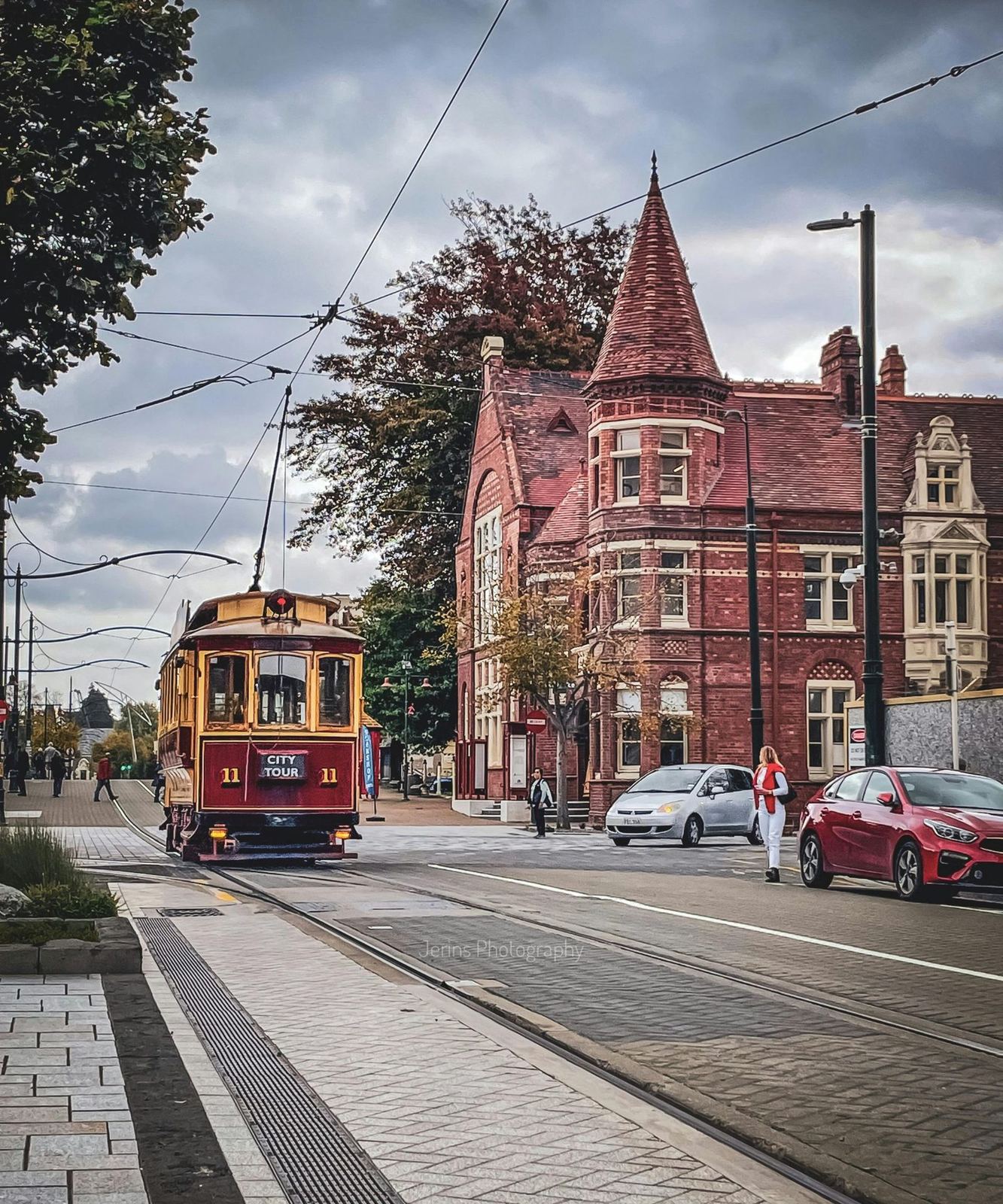
The earthquakes of 2010 and 2011 took the centre of the city down. What went up in its place was not a copy. The rebuilt centre is lower, greener and organised around the Ōtākaro Avon rather than turned away from it, with laneways, a riverside promenade and a scattering of good civic buildings. Tūranga, the central library on Cathedral Square, is the one people mention first.
You will still see gaps. Fifteen years on, some blocks are car parks waiting for a decision. Locals are relaxed about this in a way visitors find surprising — the city has been under construction for most of a generation, and the response has become a kind of practical optimism rather than impatience.
What that means for you is a city with room in it. Room in the streets, room in the houses, room in the price of things. For a clinician moving with a family, that is often the whole argument.
Ōtautahi in nine numbers
Seven things you only learn once you are here
- Flat changes everything. You will cycle. People who have not ridden a bike in twenty years end up commuting on one, because there is not a hill between most suburbs and the hospital.
- The nor’wester is a real thing. A hot, dry wind off the Alps that arrives two or three times a month, makes everyone irritable, and is spoken about the way other cities talk about rain.
- Houses here are warmer. A great deal of the housing stock is post-2011, built to modern insulation standards. After Wellington or Auckland, a Christchurch winter indoors is a pleasant surprise.
- Frost is normal, snow is not. You will scrape the car in June and July. Actual snow settling in the city happens perhaps once a year and closes everything for a morning.
- The east and the west are different cities. The western suburbs are older, leafier and more expensive; the east took the worst of the earthquakes and is still finding its feet. Both have good places to live.
- Everyone has a house story. Repairs, insurance, rebuilds. If you buy, get a proper engineer’s report — this is one place where standard advice is not enough.
- The South Island starts here. Not a figure of speech. Queenstown, the West Coast, the lakes and the whole alpine spine are inside a day’s drive, and locals use them constantly.
Is this the right guide for you
This one covers what is true about Christchurch specifically — the hospitals, the suburbs, the commute, the weather, what a month costs. It assumes you have already decided New Zealand is worth considering.
Everything national — visas, registration, tax, KiwiSaver, renting law, converting your licence, how schooling works — is explained once in Moving to New Zealand. There is no point in us writing it three times and no point in you reading it three times.
Nau mai, haere mai ki Ōtautahi.
- The city is flat and gridded, so commutes are short and cycling is practical. This shapes daily life more than anything else here.
- Much of the housing is post-2011 and warm — the real dividend of the rebuild, and rare in New Zealand.
- You are close to the whole South Island and a long way from everywhere else. That trade is the key question.