
The city’s food reputation lags well behind the reality, and the reason is the university. Twenty thousand students and a research community make a market for good, cheap, varied food that a city of ninety thousand would not otherwise support.
Eating out
Markets and what the region grows
The Manawatū is a farming plain, and the food culture follows from it. The Saturday farmers’ market in the city is the weekend fixture — produce, meat, bread, cheese and coffee, and half the neighbourhood.
Twenty minutes north, Feilding is a proper country town with a famous Friday market and working saleyards. It is worth going once as an outing and then repeatedly for the food. Between the two you can eat almost entirely from within thirty kilometres.
The coast half an hour west gives you the other half of the larder: fishing off the beach, whitebait in season on the river mouths, and a strong local culture around both. Rules on species, size and quantity are real and enforced.
Groceries and the practical stuff
All the main supermarket chains, plus large-format retail on the northern edge of the city. Food in New Zealand is expensive by British or Australian standards — that is national rather than local, and it is the adjustment people mention most.
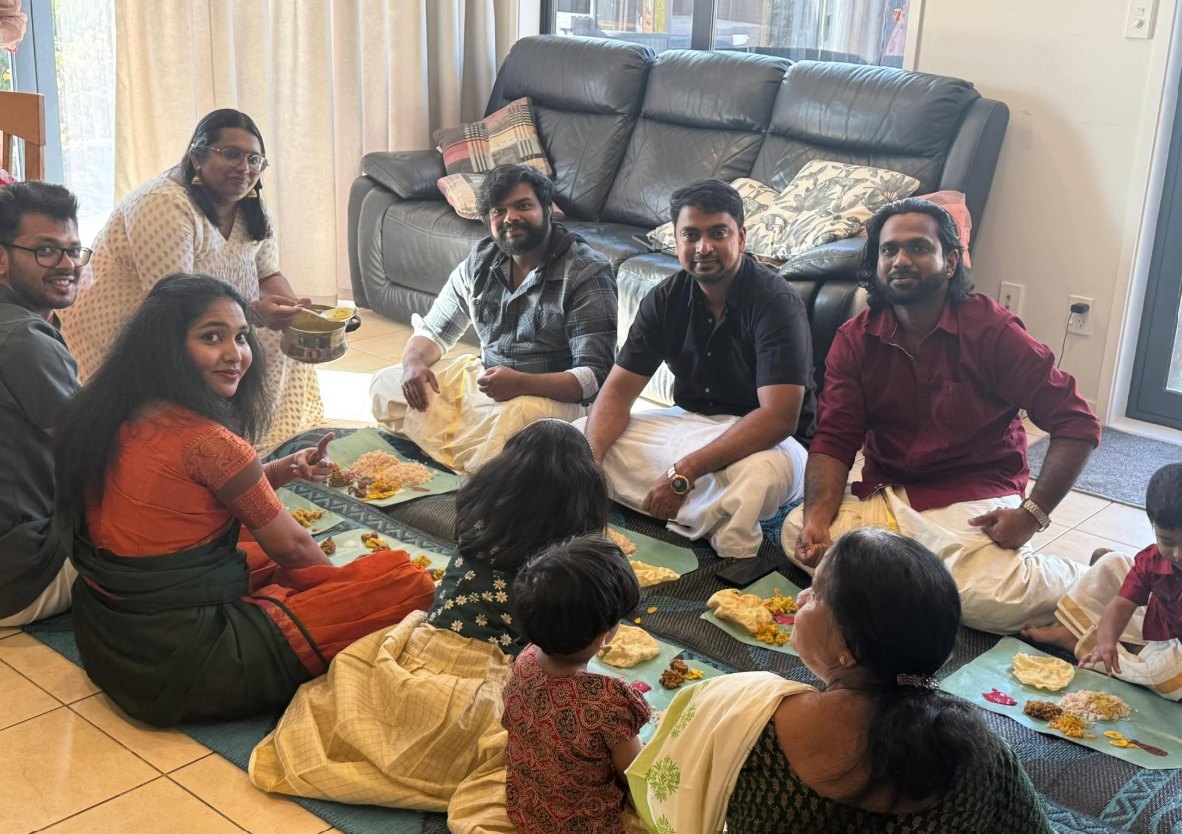
For specialist ingredients, the student population is your ally: there are Asian, Indian and halal grocers here well out of proportion to the city’s size, and a reasonable range beyond that. It is not Auckland, so if a particular cuisine is central to how your family eats, check before you commit — the national chapter Finding your feet & your people covers where to look and which communities are established here.
The rhythm of the week
- Retail is functional rather than exciting. Serious shopping means Wellington or online.
- The best touring music and major exhibitions stop at Wellington, an hour and fifty minutes’ drive away.
- Very specific imported groceries can need an order in. Most people end up with a Wellington or Auckland run a few times a year.