Where you live in the Bay decides three things: how long you sit in traffic, which school your children can attend, and how much of your salary the mortgage takes. It is worth more thought here than in most regions.
Harbour side or beach side
Every address in the Bay is really this one decision. Both columns describe good lives — they just trade different things.
The harbour side
The commute is the prizeMost of these streets sit ten to fifteen minutes from the base hospital, without a bridge in the way.
Established everythingMature trees, settled schools and shops that have been there thirty years.
Water, but calmerThe harbour’s sheltered edges rather than open surf — better for small children and kayaks than boards.
The beach side
The lifestyle is the prizeOcean at the end of the street, and the reason many people move to this region at all.
Newer, warmer housesThe growth end of the city — modern builds and more floor for the money the further east you go.
The bridge and the peakEverything crosses to work at the same hour. Drive your route at 8am before you sign anything.
The suburb notes below carry the detail — and the peak-hour caveats in them are worth taking literally.
In the city
Tauranga central & the waterfront
Apartments and townhouses, walking distance to the CBD, the harbourside and the growing café and arts scene. Convenient and increasingly urban. Ten minutes to the base hospital.
Ōtūmoetai
Established, leafy, family-oriented, on the harbour side. Well-regarded schools and one of the shortest commutes in the city. Priced accordingly.
Bethlehem
Newer family housing to the west, good schools, big-box shopping and easy access into town. Popular with clinicians relocating with children.
Welcome Bay & Hairini
More affordable, mixed, and close in as the crow flies — but the Hairini approach is one of the city’s worst pinch points at peak.
Pyes Pā & Tauriko
Newer subdivisions on the city’s southern edge. Modern warm houses, more space for the money, and a straightforward run to the hospital.
Matua & Otumoetai peninsula
Quiet, established, harbour-fringed streets with beaches at the end of them. Family territory, and a short drive to work.
At the beach
Mount Maunganui
The most sought-after address in the region: ocean beach one side, harbour the other, Mauao at the end of the street. Expensive, busy in summer, and lovely. Fifteen to twenty-five minutes to the hospital over the bridge.
Pāpāmoa
Kilometres of newer family housing behind a very long beach. The most common landing spot for relocating families. Twenty-five to thirty-five minutes in, more at peak.
Pāpāmoa East & Wairakei
The newest building in the region, and the best value on the beach side. The commute is the trade — budget forty minutes at peak and check the route before you commit.
Maketū & Pukehina
Small, quiet coastal settlements east of Pāpāmoa. Cheap, beautiful and remote — a long daily drive, but people do it.
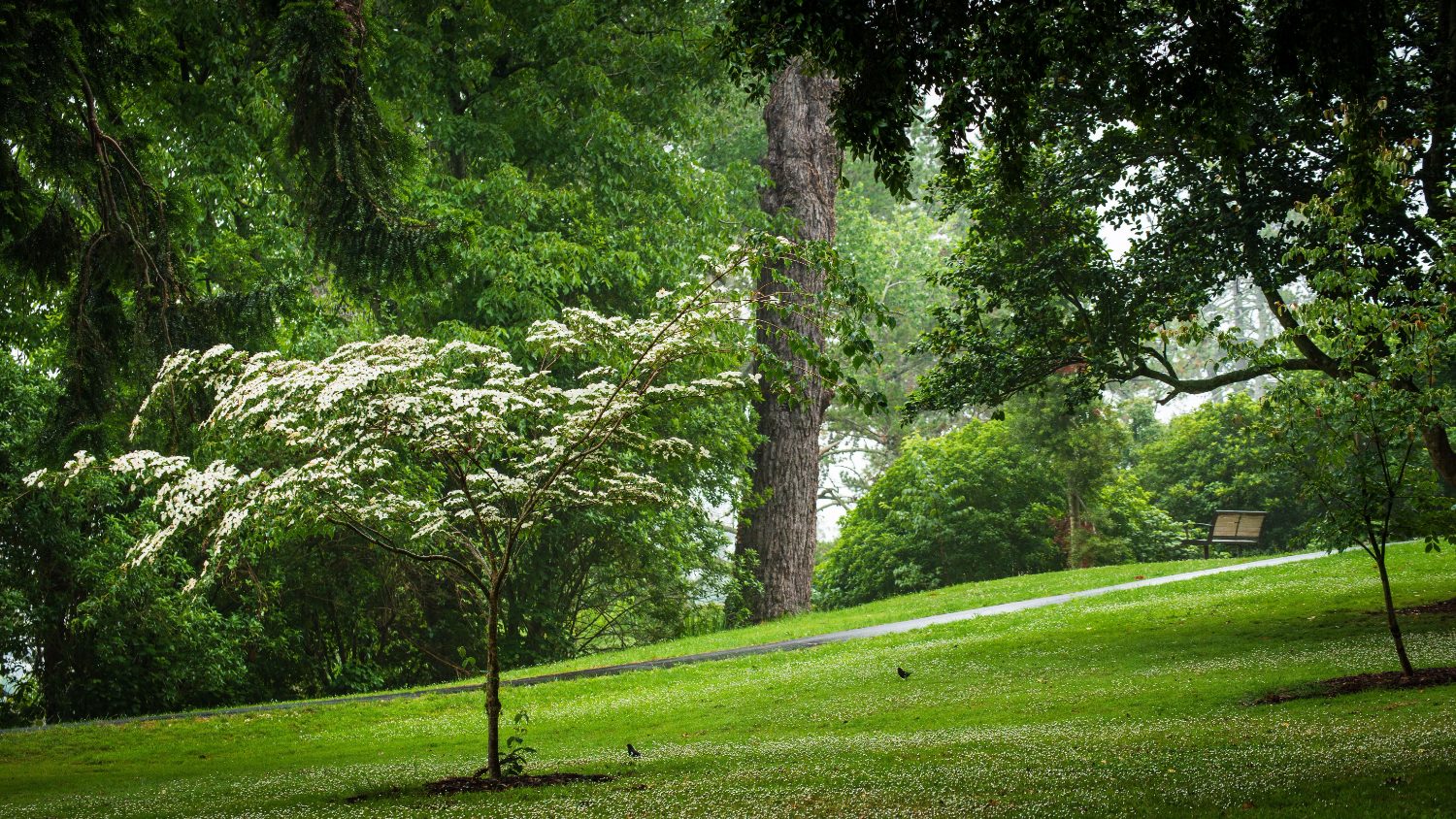
Yatton Park — mature parkland inside the city
The western bay
Ōmokoroa
A peninsula on the inner harbour, twenty-five minutes north of the city, growing fast. Water on three sides, more house for the money, and a train-less but pleasant commute.
Katikati
A small town forty minutes north, with murals, orchards and a rural pace. Considerably cheaper than Tauranga. A real commute, but a real saving.
Te Puke
Kiwifruit capital, thirty minutes east. Small-town value, a working community rather than a lifestyle one, and the coast fifteen minutes away.
Waihī Beach
At the top of the region, an hour from Tauranga. Beach-town living at a fraction of the Mount’s price, and a long way from a hospital.
The eastern bay
Whakatāne
A sunny riverside town of around 16,000 with its own hospital, its own identity and excellent value. Treat this as a separate destination decision, not a Tauranga suburb.
Ōhope
Ten minutes from Whakatāne, on one of New Zealand’s favourite swimming beaches. Small, beloved and well priced by national standards.
Ōpōtiki & Kawerau
Further east and inland. Very affordable, strongly Māori, and where some of the region’s most needed community health work happens.
Three things to check before you sign
The commute at the actual hour you’d drive it. Map it at 7.30am on a weekday, not at eleven on a Sunday. In this city that is the difference between fifteen minutes and forty.
The school zone, at the exact address. Popular state schools here are zoned and enrolment is by address. Being one street out is a risk — see Schools & education.
Insulation, ventilation and the Healthy Homes record. Damp is the regional housing problem. Ask for the compliance statement.
Most clinicians we move here rent for six to twelve months before buying, which is the right call: it lets you learn the traffic, the schools and which beach you use before committing several hundred thousand dollars to a view. How renting works — the application pack, bond, tenancy rights and the Healthy Homes standards — is national and covered once in Renting in New Zealand.