
Melbourne’s claim to Australia’s best food and coffee is contested only by Sydney, and mostly out of politeness. What makes it matter for a life rather than a holiday is the everyday layer: the food is where the city’s communities live, and joining it is how you join Melbourne.
Coffee first, because Melbourne insists
The espresso culture here shaped how the whole country drinks coffee, and the standard is uniform: suburb café, hospital cart or country bakery, the flat white clears a bar most cities’ best don’t. Cafés are the city’s social infrastructure — where prams park, laptops open and colleagues debrief. Learning your local’s order is week-one business.
Eating out
Markets and what the state grows
The Queen Victoria Market is the institution — produce, deli halls and night markets in summer — with South Melbourne and Prahran markets running their own loyal congregations. Every regional city keeps a weekend farmers’ market that is producers-first.
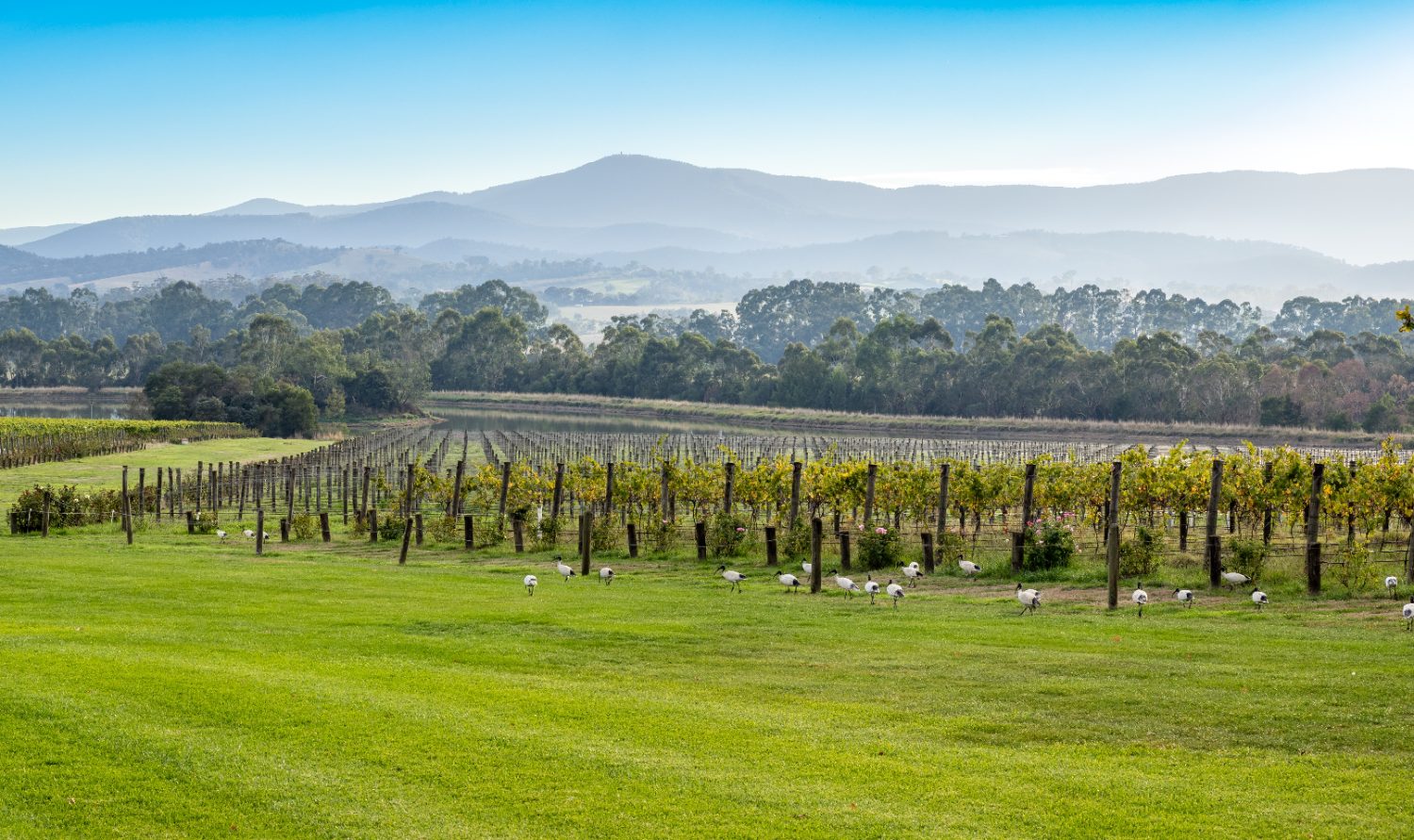
The state behind them: the Yarra Valley and Mornington for cool-climate wine, King Valley for Italian varieties, Gippsland for dairy and beef, the Goulburn for stone fruit, and Victoria’s high country for everything a cellar door can host. Wine-country lunch is a forty-five-minute decision from Melbourne, in two directions.
Groceries and the practical stuff
The two big chains plus the discounter anchor every suburb; independent grocers and continental delis carry the depth. Staples price above UK equivalents; market produce is the compensation. Whatever your community eats, a Melbourne suburb sells it — the coverage is arguably the country’s best, and it now reaches into Geelong and the bigger regional cities. The master’s Finding your feet & your people maps where communities cluster.
The rhythm of the week
- Melbourne’s food gravity is a budget line. Priced for two incomes, sized for zero restraint.
- Regional food scenes are good and improving — but thinner; that is part of the housing discount.
- Some imported comforts cost double or don’t exist. Every migrant community keeps a list; yours will too.