

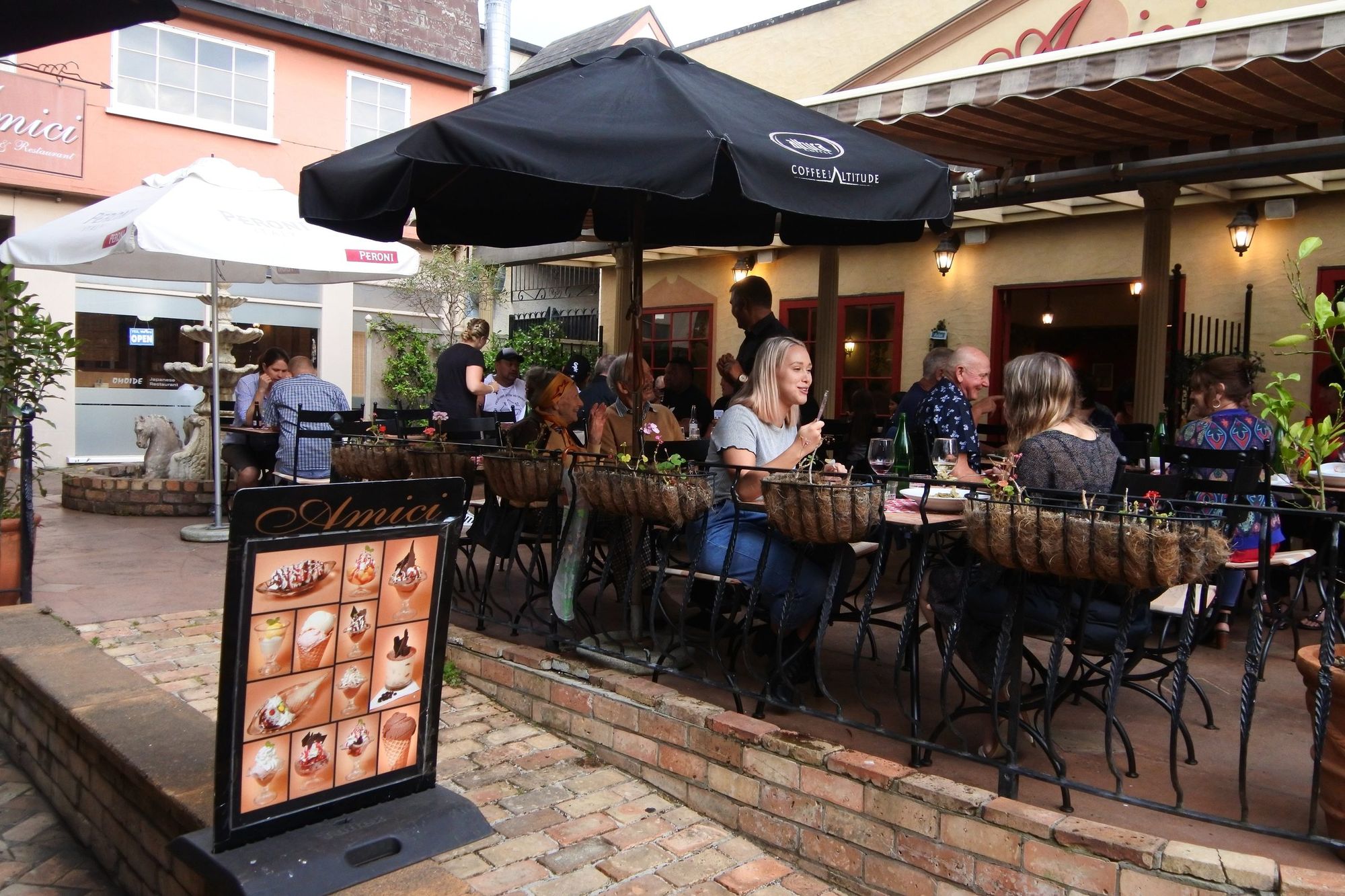
Northland’s food is better than its size suggests and worse than a city’s, and both halves matter. The produce is exceptional; the choice on a wet Tuesday night is not.
Where the region eats
The weekly shop
Groceries in New Zealand are expensive by international standards, and rural Northland is no cheaper. Knowing the chains helps.
Bring reusable bags. Single-use plastic bags are banned nationwide.
The limitations
This is where a small region shows. Restaurant choice outside Whāngārei and Kerikeri is limited, and many places close early or don’t open Mondays and Tuesdays. Cuisines that a city takes for granted — good Vietnamese, Ethiopian, Korean — are thin on the ground or absent.
Specialty grocery is the bigger gap. Northland does not have the concentrated South Asian, East Asian or African grocers that Auckland does. Most people manage with a combination of the supermarket’s international aisle, online ordering from Auckland suppliers, and a stock-up whenever they’re in the city.
None of this is a reason not to come. It is a reason to arrive with a plan for the things you can’t do without.
- Online is your friend. Auckland’s specialty grocers ship north, and several halal, South Asian and African suppliers deliver nationwide.
- Ask the community groups. Northland’s international health workforce has been solving this for years and people share sources readily — it is the fastest route to what you need.
- Stock up in Auckland. Most people combine a specialist shop with an airport run or a specialist appointment. A chilly bin in the boot is standard equipment.
Furnishing an empty house
Whāngārei has the big-box retailers for whiteware and flat-pack. Beyond that, Trade Me and Facebook Marketplace are how Northland buys furniture, and the market is good because people move in and out of the region constantly. Check the delivery position before you order anything large to a rural address — surcharges are common and some retailers won’t come north of the city.
- Markets, roadside stalls and the sea are the region’s real food strength — the produce is exceptional.
- Restaurant and specialty-grocery choice is limited. Plan for the things you can’t do without.
- One big shop in Whāngārei or Kerikeri, top up locally, buy produce at markets. That is how everyone does it.