
The Gold Coast offers a beach-and-hinterland lifestyle very few cities can match, with a young health system growing fast into its population. Here’s the case, and what we’d ask you to weigh.
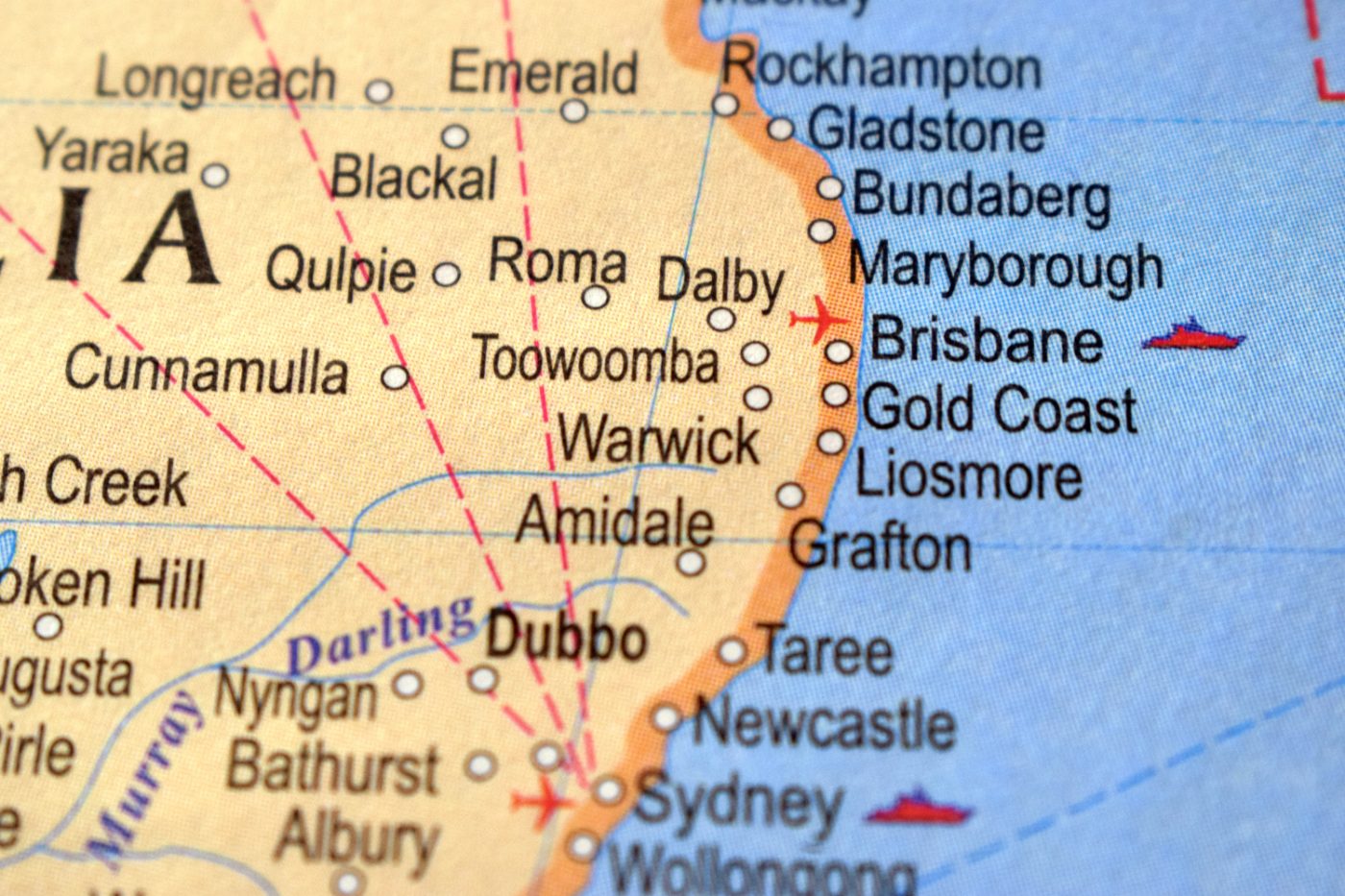
What you’re trading up for
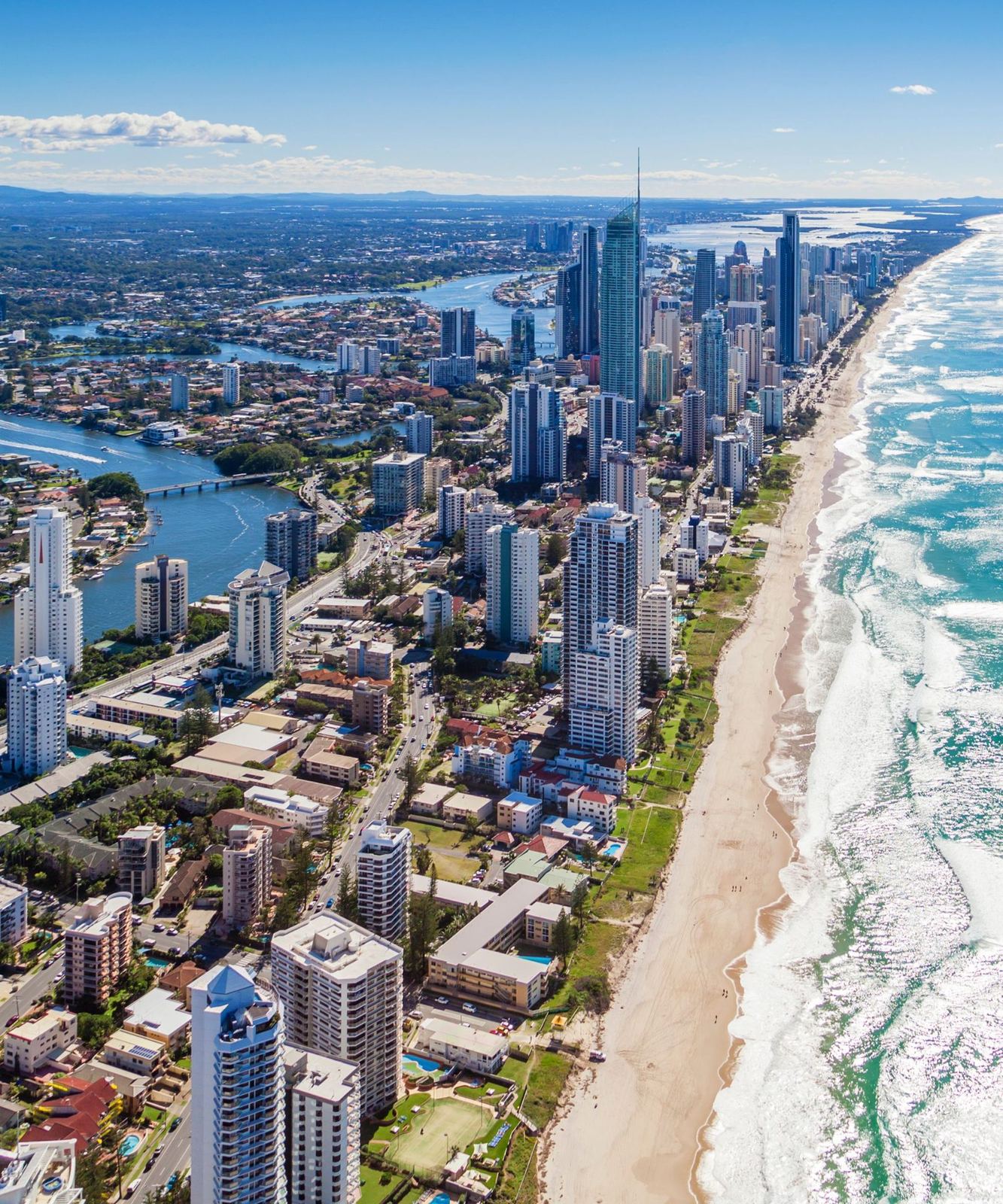
- A beach-and-hinterland lifestyle unmatched by any comparable-sized Australian city.
- A full tertiary teaching hospital and a health precinct still expanding.
- Regional migration status for the whole coast.
- Light rail along the strip and an easy hour to Brisbane by train.
- A long, warm season and a mild, sunny winter.
- University-town energy from Griffith and Bond.
- A lower cost of entry than Sydney or Melbourne — still true, even as it closes.
What it asks of you
- Rapid growth means traffic and construction are a visible, ongoing feature of daily life.
- The professional community and specialist bench are smaller than Brisbane’s, so some complex tertiary cases still go north.
- The city’s identity is still forming — don’t expect an established, Melbourne-style inner-city culture.
- Summer brings real humidity and the occasional ex-tropical weather system.
- A tourism economy means some northern-strip suburbs feel transient, especially around Surfers Paradise.
- Light rail doesn’t reach the hinterland or the western growth corridor, so a car still matters for a lot of daily life.
A typical week
A swim or a walk on the beach before work is a daily routine for a lot of people here. Weekends split between the coast and the hinterland — a market, a surf, then a drive up to Tamborine or Springbrook for lunch and cooler air. The pace is more Queensland than Sydney: outdoor, unhurried, and built around the weather rather than around it being an obstacle.
When we’d point you to Brisbane instead
- If you want a tertiary centre and rather less tourism churn, Brisbane is an hour north.
- If the reef and a quieter regional city appeal more than the strip, Bundaberg is a different Queensland altogether.
- If you are weighing the state as a whole, the Queensland brief covers how much it changes between the border and the tropics.
The Gold Coast suits clinicians who want to grow with a system rather than inherit one — the units are young, the population curve is steep, and that means opportunity arrives early. The lifestyle isn’t the consolation prize; it’s the plan.
The Gold Coast doesn’t ask you to choose between career and lifestyle. It hands you both while the city grows into them.