

Nau mai, haere mai ki Te Whanganui-a-Tara. If you’re reading this you’re somewhere between curious and committed. Either is a good place to be, and this guide is written for both.
A city small enough to belong to quickly
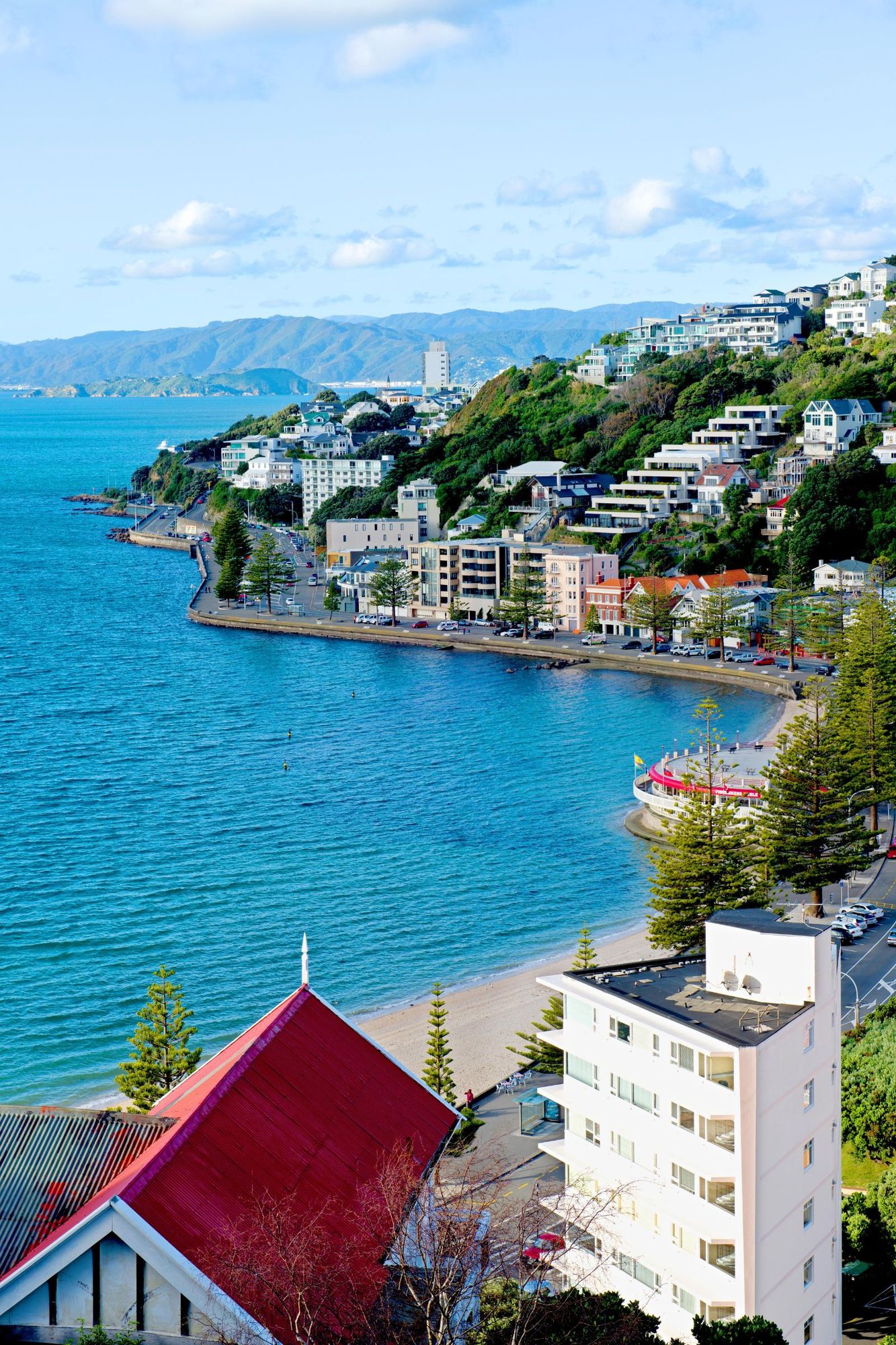
Wellington is the smallest capital most people have lived in, and that’s the whole character of the place. It has a tertiary hospital, a parliament, a national museum, a theatre scene and a working port — all inside a city you can walk across in an afternoon.
The effect on a newcomer is unusual. You’ll run into the same people. Your registrar will know your neighbour. Within two months you’ll have a coffee place where they start your order when you walk in. In a bigger city that takes years, and for a lot of people moving countries alone, it’s the thing that makes the move survivable.
The same smallness is why some people leave. Fewer specialists, less anonymity, and a professional world where your reputation travels fast. We’ll be straight about all of that as we go.
- Ethicare is a healthcare recruitment company. This guide is free to read, asks nothing of you, and does not give visa advice.
- Where we think Wellington is the wrong answer for someone, we say so. That’s more useful to you and, better for us than a placement that doesn’t last.
The city, in nine numbers
Not a fact sheet. These are the nine figures that shape a week here.
Six things you only learn by living here
Small, specific, and the sort of thing that makes the first month feel less foreign if you know it in advance.
- Nobody uses an umbrella
- The wind turns them inside out within a fortnight and you’ll feel conspicuous carrying one. Buy a proper hooded rain jacket before you arrive — the single most useful thing in a Wellington wardrobe.
- The southerly is a forecast, not a mood
- People will say "there’s a southerly coming" and mean it practically — flights, the ferry, whether the barbecue happens. Learn the difference between a northerly (warm, blustery) and a southerly (cold, straight off Antarctica) in your first week.
- Everyone works in government, sort of
- At a party you’ll meet policy analysts, select committee staff and ministry advisors. Politics is discussed the way sport is elsewhere, and it’s entirely normal to see a minister buying coffee.
- Houses have heat pumps, not heating
- Central heating is rare. A heat pump in the living room and nothing in the bedrooms is standard, so bedrooms get cold. A dehumidifier is a normal appliance here, not a sign something is wrong.
- The city walks
- Far more people walk to work than in any other New Zealand city. Good shoes matter more than a good car.
- Earthquakes are ordinary
- You’ll feel one. Buildings are engineered for it, everyone has a plan, and the fuss is much smaller than you’d expect. Sort your grab bag in week one and then stop thinking about it.
- Te Whanganui-a-Tara is Wellington’s name in te reo Māori — the great harbour of Tara. You’ll see and hear both, and increasingly the Māori name first in official use.
- You’re not expected to arrive fluent. You are expected to try. Te ao Māori at work covers pronunciation and the words you’ll hear on the ward.