
Melbourne’s food culture is not a marketing line, it is the product of a century of migration — Italian, Greek, Vietnamese, Lebanese, Ethiopian, Chinese — layered onto a city dense enough to support small, specific places. It is the best-fed city in Australia, and the coffee is the entry point.
The coffee, properly explained
The standard here is high and unpretentious: espresso brought by Italian and Greek migrants in the 1950s, refined by a generation of local roasters, and now so normal that a mediocre cup is a scandal. Order a flat white, a long black or a magic (a short double ristretto with steamed milk — a local invention) and expect it to be good almost anywhere with a queue.
The corollary: chains barely register. Your loyalty will be to a specific place within four hundred metres of your front door, and you will defend it.
Flavours of home
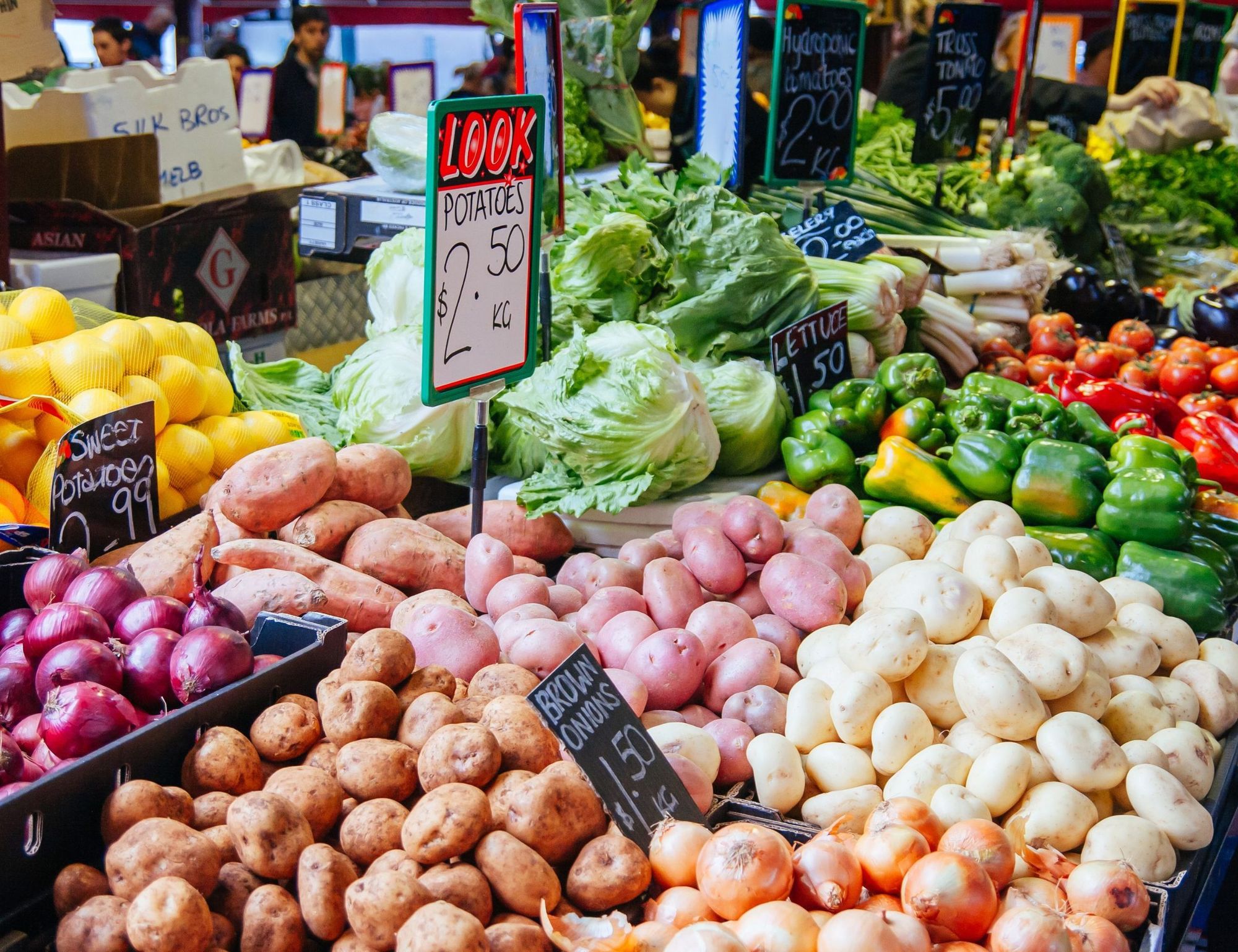
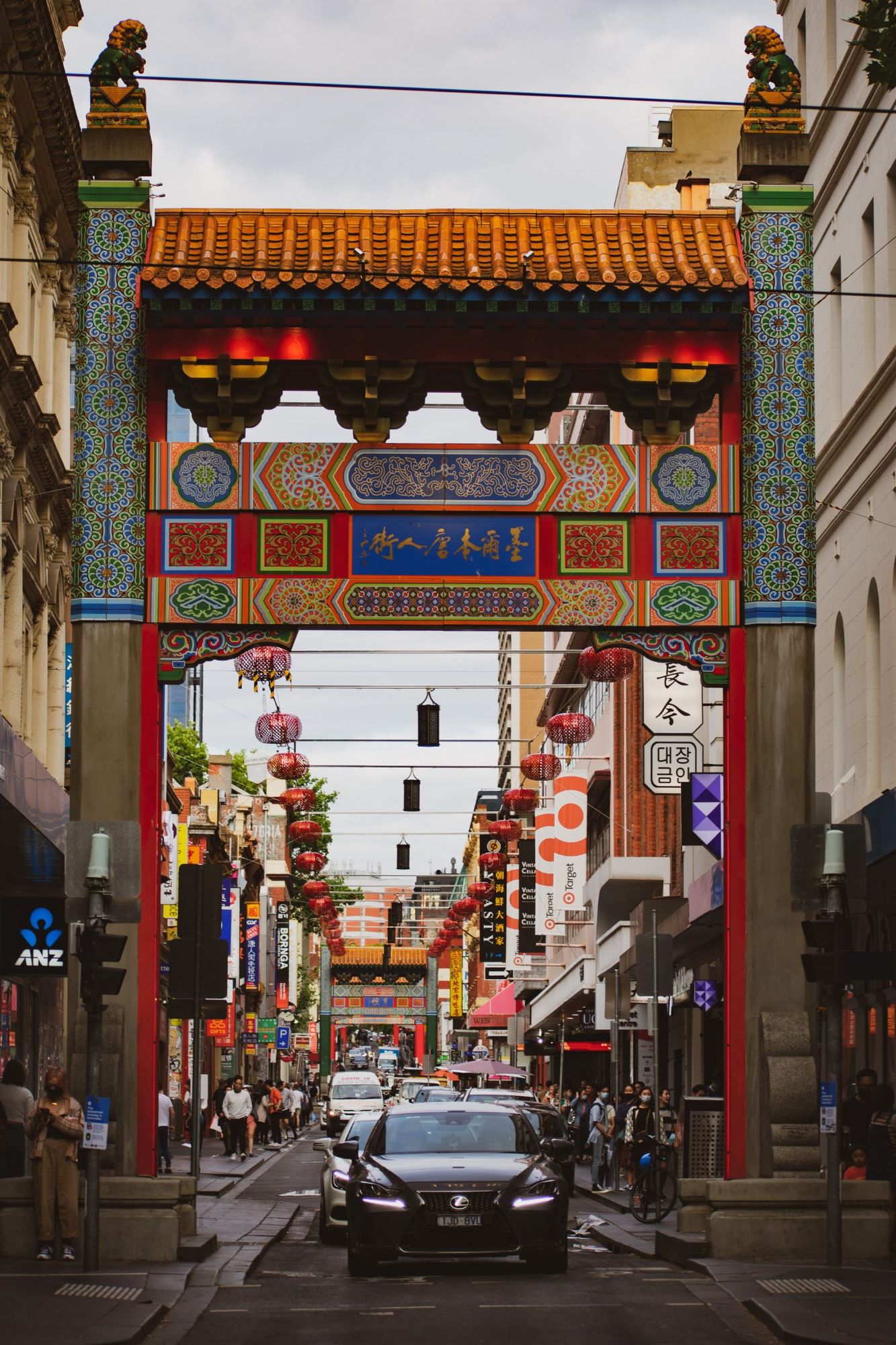
This is the easiest Australian city in which to find whatever you grew up eating. About four in ten residents were born overseas, and the food infrastructure follows: halal butchers across the north and west, kosher grocers and bakeries in Caulfield and Balaclava, South Asian shops in the eastern and south-eastern suburbs, African grocers in Footscray and Dandenong, and Asian supermarkets essentially everywhere. Very little needs ordering online.
For newcomers the practical upside is community, not just ingredients: the shops are usually attached to the associations, places of worship and weekend gatherings that make a city feel liveable within a month rather than a year.
The everyday rhythm
Melbourne lives outdoors when it can and indoors well when it cannot — which is the whole trick of the place. Summer means rooftop bars, the beach at the bay and the tennis in January. Winter means the football, long lunches, wine bars, and galleries with free entry. Spring is the racing carnival and the comedy festival; autumn is the food-and-wine festival and the best weather of the year. There is always something on, and most of it is walkable from a tram stop.
- Find your local coffee place in week one. It matters more than the supermarket.
- Serious shop: Queen Victoria, Prahran or South Melbourne markets. Best value: Footscray or Dandenong.
- Learn one neighbourhood food street properly — Lygon, Sydney Road, Victoria Street, Box Hill.
- Say parma. Book nothing on a laneway. Accept that you will discuss coffee.