Where you land shapes your commute and, if you have children, your school zone. Pick the hospital you’ll work at and the list re-sorts around it — because the right suburb in Auckland is mostly a question of which way you drive in the morning.
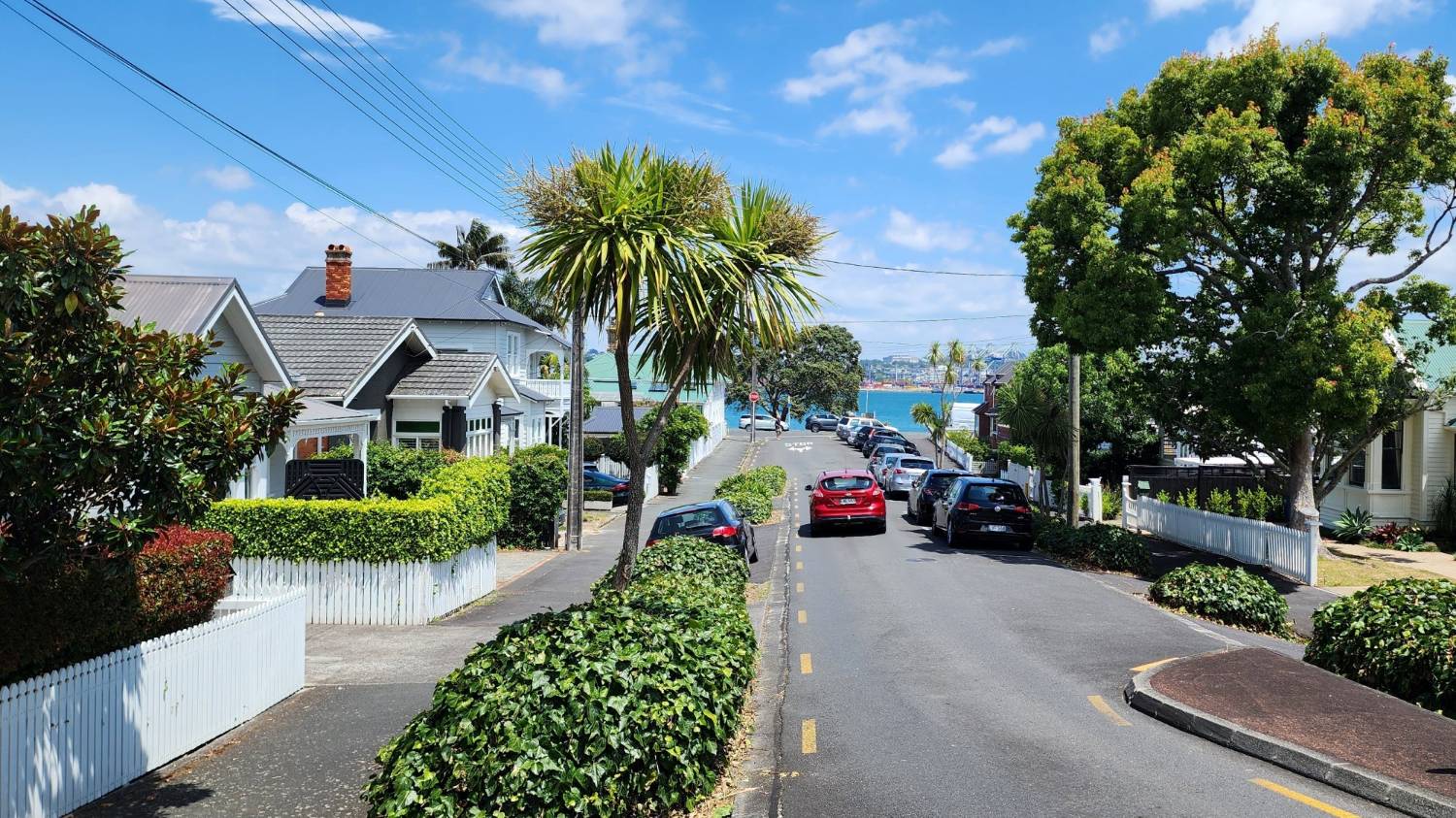
Villa-lined streets in Devonport, on the North Shore
Where will you work?
Narrow it down
Sort by
A tip on choosing
Where you live can decide which state school your children attend. Zone boundaries can run down the middle of a street, so check the exact address is in-zone before you sign.
Many clinicians rent short-term first and get to know a few areas before committing to a longer lease.
Rents are indicative weekly figures for a typical three-bedroom home, July 2026. Commute times are door-to-door driving estimates outside peak — add meaningfully at 8am, and more if you cross the harbour bridge.
How renting works here — applications, bond, tenancy rights and the Healthy Homes standards — is the same everywhere in New Zealand, and the Moving to New Zealand guide walks through it step by step.
Three questions, in this order
One · Which hospital?
In Auckland this decides more than anywhere else in New Zealand. The city is long, the harbour splits it, and a suburb that is twenty minutes from one campus can be fifty from another in traffic. Pick the site first, then the suburb — not the other way round.
Two · Which side of the bridge?
The Auckland Harbour Bridge is the single biggest variable in a commute here. Living on the North Shore and working in the central city means crossing it twice a day, and at peak that is a different proposition from the off-peak estimate. If you are going to cross it daily, drive the route at 8am before you sign anything.
Three · School zone or square metres?
With school-age children the zone usually decides the suburb, and the most sought-after zones carry a substantial rent premium. Families without that constraint can go further out and get considerably more house. Work out which of the two you are.
Reading the map
Auckland is really several cities that grew into each other, and they behave differently.
Central
The isthmus — Mount Eden, Epsom, Ponsonby, Grey Lynn, Remuera. Villas, volcanic cones, the best-regarded state school zones and the highest prices. Walkable, and close to the central hospital campus.
North Shore
Across the bridge — Devonport, Takapuna, Milford, Albany. Beaches on the doorstep, strong schools, a slightly separate identity. Excellent unless you cross the bridge at peak.
West
New Lynn out to Titirangi and the Waitākere Ranges. Bush, black-sand surf beaches, more space for the money, and a different feel from the isthmus.
South & east
Manukau, Howick, Botany and the eastern bays. The most diverse part of the city, the best value on family housing, and where a large share of the health workforce lives.
How renting works nationally — applications, bond, tenancy rights and the Healthy Homes standards — is the same everywhere, and set out in Renting in New Zealand.
If you remember three things
Choose the hospital first. In a city this size the commute defines the suburb, not the other way round.
If you will cross the harbour bridge daily, drive it at 8am before you commit to a lease.
With children, check the exact address is in-zone. Boundaries can run down the middle of a street.