
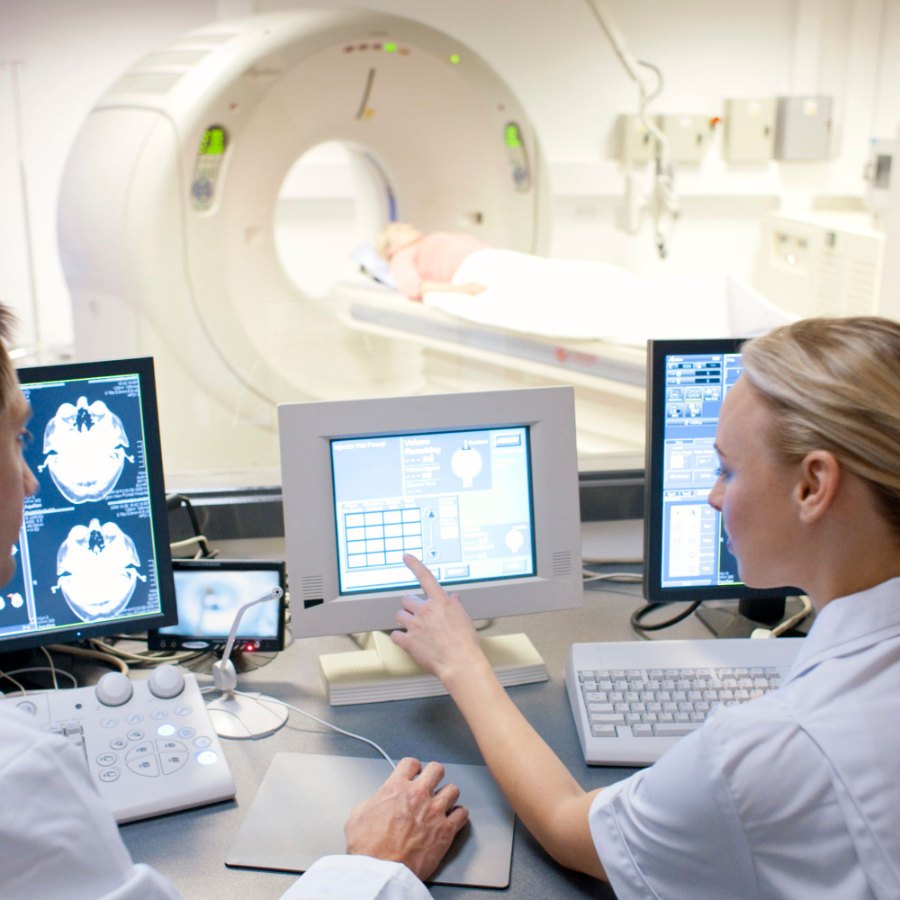
Hybrid imaging, and a scope worth reading carefully.
SPECT/CT and PET/CT at the core of the job, trans-Tasman recognition, and one CT question to settle early.
A small team, and you would know everyone in it.
Most services run a small technologist group across a gamma camera and a PET/CT, so you would know the physicists, the radiologists and the radiopharmacy staff by name. Protocol decisions are a conversation rather than a directive handed down from a central team.
The scope covers imaging with or without sealed sources, so therapeutic work sits inside it rather than beside it. In smaller services you would see the whole caseload rather than a slice of it, and the practice itself will feel familiar from your first list.
Where the posts are →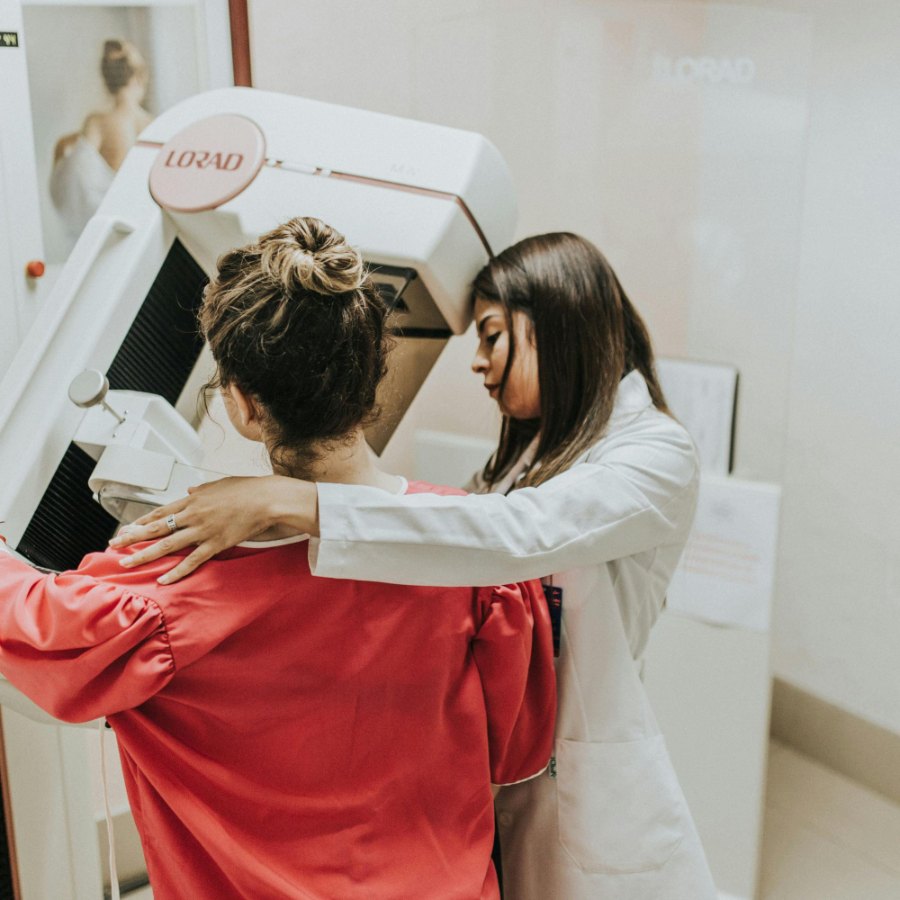
Your registered scope, not your job title, sets what you may do.
The Board registers you into a defined scope, and that scope defines the work. If a role asks for anything outside it, that is a registration question rather than something a manager can sign off. It is a real cultural difference from systems where local sign-off is enough.
In hybrid imaging the boundary sits in an unusually specific place. The Board’s competence standards put the CT that makes the study work — attenuation correction, anatomical fusion and transmission imaging — inside the nuclear medicine scope. Diagnostic CT is separate, and needs one of three routes.
The CT question, answered →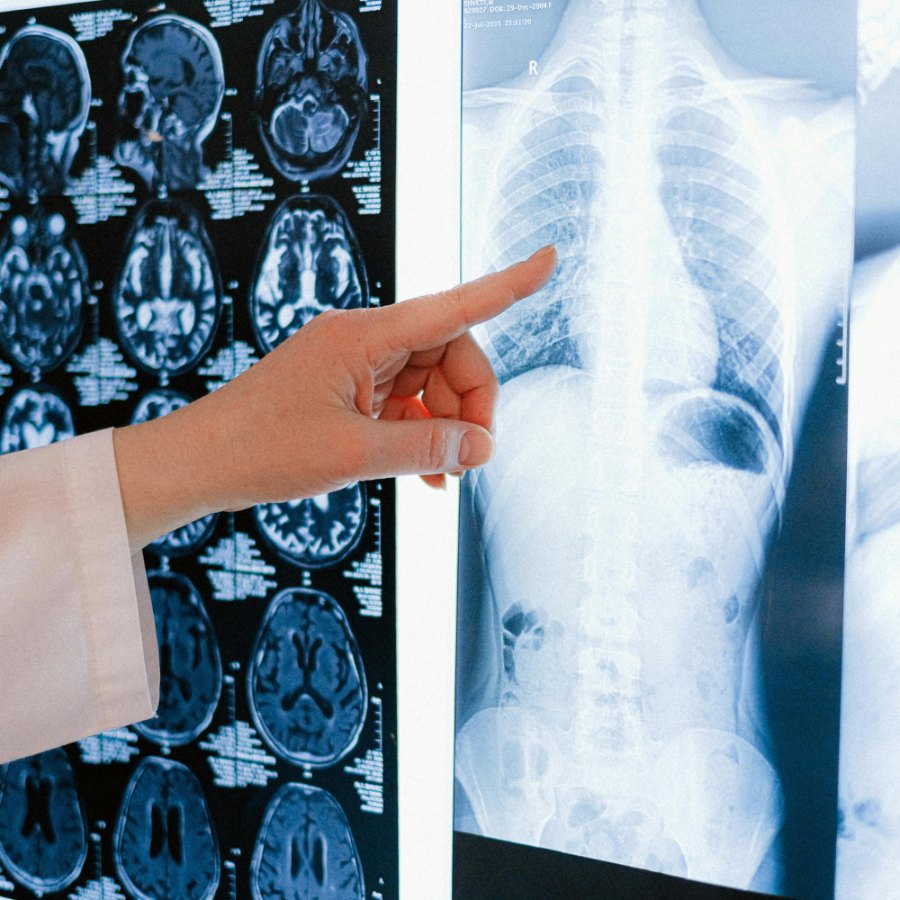
Hybrid imaging needs scale, so the map is narrower.
Nuclear medicine is more concentrated than general imaging, because hybrid scanners and radiopharmacy need scale. PET/CT and therapeutic work sit in the tertiary centres, with a larger technologist group to share the roster and the on-call between. Base hospitals run gamma camera and SPECT/CT services for a regional referral base, often with a small team and broad exposure.
Private imaging adds PET/CT in the larger centres, generally with a more predictable day than a public roster. Where you also hold the medical imaging technologist scope, CT and general imaging can sit alongside — two scopes, not one. Check the geography before you set your heart on a town.
Explore the destination guides →
The essentials, in five minutes
Seven questions people ask before they decide. Open the ones that matter to you.
Can I work there?Yes, in the nuclear medicine scope
You register with the Medical Radiation Technologists Board in the Nuclear Medicine Technologist scope, and the Board assesses your overseas qualification alongside your clinical experience for the scope you name. If you are registered in Australia, say so first — trans-Tasman mutual recognition does cover this scope, which changes both what is assessed and how long it takes.
Check my pathway →What could I earn?One national agreement
Public pay is set by collective agreement, so your base salary comes from a national scale and not from a negotiation with the hospital. Your step on it comes from assessed experience. Hours, allowances and duties still move the total. We print no band here on purpose: the step ladder for this scope is published as a scanned image we haven’t verified at source, so we give you the step value for the actual role instead.
How pay is set →Where are the jobs?More concentrated than imaging
Hybrid scanners and radiopharmacy need scale, so the geography is narrower than general imaging: PET/CT and therapeutic work in the tertiary centres, gamma camera and SPECT/CT in base hospitals, PET/CT in the larger private services. Worth knowing before you set your heart on a town.
Where the posts are →What will the work be like?The physics travels; the scope boundary doesn’t
Small teams across a gamma camera and a PET/CT, where you know the physicists and radiopharmacy staff by name. The real difference: your registered scope defines what you may do, so work outside it is a registration question, not something a manager can sign off. In hybrid imaging that boundary sits in an unusually specific place.
The work itself →Can I bring my family?Yes, most people do
Partners and children can usually join you on visas linked to yours, and partners can usually work. Schools, childcare and the family logistics are explained once, properly, in the family guide.
Family moves, explained →What will moving cost?Budget for real fees
Board registration NZ$922 plus NZ$510 for the first practising certificate, document verification and certificates of good standing, visa fees for everyone moving, flights and shipping. Some employers contribute to relocation, some don’t — we get whatever is offered in writing.
The move, costed →How long could this take?Up to 12 weeks for assessment, then the visa
Where a full international qualification assessment is required, allow up to 12 weeks from a complete application with the fee paid — incomplete applications are the usual reason a timeline slips. An examination is not automatic; whether one is offered is the Board’s decision on your application, not something to plan around.
The journey, sequenced →Current opportunities
Roles we’re recruiting for right now. If none is quite right, register your interest and we’ll be in touch when something fits.
The detail, when you want it
Registration, pay and life outside work. Everything is here, one section at a time.
At a glanceThe essentials, in twenty seconds
Small departments, current kit, and a scope that repays reading properly.
Check your registration pathway →See current opportunities →If you’re weighing two countries at once →
Getting registeredRegistration is with the MRTB, in the nuclear medicine scope
Reviewed August 2026 · checked against the Medical Radiation Technologists Board’s own published guidance
You register with the Medical Radiation Technologists Board in the Nuclear Medicine Technologist scope. The Board assesses your overseas qualification alongside your clinical experience, for the scope you name on the application.
If you are registered in Australia, say so first. Trans-Tasman mutual recognition covers this scope, which changes what is assessed and usually what it costs you in time. It is the first question we ask.
If you hold more than one scope, they may arrive on different timelines. Recognition covers nuclear medicine technologist, medical imaging technologist and radiation therapist, and excludes MRI and sonography — worth planning for rather than discovering.
Where a job description implies you would report diagnostic CT off the hybrid scanner, that is a registration conversation, and we have it in writing before you accept anything.
Otherwise, allow up to 12 weeks where a full international qualification assessment is required, counted from a complete application with the fee paid. Incomplete applications are the usual reason a timeline slips.
An examination is not automatic. Where the Board decides a qualification is not equivalent, it may in some circumstances offer an examination — but whether one is offered is the Board’s decision on your application, not a right you can plan around.
There is an experience-based route, and we will not print a threshold for it. The Gazette notice we work from contains no verbatim full-time-equivalent figure, so any number here would be invented. We ask the Board the question for your actual history instead.
Board fees are published and verified: NZ$922 to register, NZ$510 for the initial annual practising certificate, and NZ$2,704 for the online examination where the Board requires it.
What the Board will want to see:
- A qualification the Board has assessed for the nuclear medicine scope, or Australian registration under trans-Tasman recognition
- Evidence of nuclear medicine clinical practice meeting the Board’s requirements
- Separate evidence for diagnostic CT, if the role requires it
- Certificates of good standing from every authority you have registered with
- Identity and English-language evidence where required
- A practising certificate application once you are resident, or can evidence the move
The order matters more than the speed. The scope decision comes first, because it determines what is assessed. The qualification assessment, or the recognition route, runs next. The practising certificate is last by design, since it depends on your move — you must be resident in New Zealand, or able to evidence it, and you cannot practise in a protected scope without both registration and a current certificate. The visa runs alongside all of it rather than after it.
Where this comes from. The scope boundary, the CT routes and the hybrid-imaging wording are the Board’s Competence Standards for Medical Imaging and Radiation Therapy Practitioners in Aotearoa New Zealand (19 July 2024), Domain 5. Scopes, trans-Tasman coverage, the examination policy, the internationally qualified processing time and the practising-certificate timing are the Board’s own published pages and its Gazette scope notice, read in August 2026. Fees are the Board’s published schedule. Check your own case with the Board before you make a decision on it.
Prefer a download? Registration guide · Checklist
PayOne national agreement, and a scale we will not print from a scan
Public pay is set by collective agreement, so your base salary comes from a national scale and not from a negotiation with the hospital. Your step on that scale, your hours and your on-call commitment are what vary. We print no band here because the step ladder for this scope is published as a scanned image in the agreement PDF and we have not verified it at source — so we give you the current step value for the actual role instead.
A stepped national scale set by collective agreement, the same wherever in the country you work. Which agreement covers you
Penal rates for out-of-hours and on-call, and professional development provisions that vary by employer.
Set by assessed experience rather than negotiation, so the useful question is which step you land on — we get that confirmed for the actual role.
A work visa first, then the residence pathways. Which one applies depends on the role and your circumstances. How visas work
How we verify pay. Every figure we print is read off the collective agreement that covers the role, with the agreement named and its term stated. Where the scale is a scanned schedule we have not read at source, we print no band rather than a number we cannot stand behind.
Relocation support varies by employer and role. Where it is available, we confirm exactly what is included before you make any decisions.
Life in New ZealandA small department, and a country you can reach on a Saturday.
A short commute, and the water or the hills at the end of it.



Nuclear medicine is a small profession here, and that cuts both ways: fewer departments to move between, but a working life where you are known rather than numbered. Services are busy without being industrial, and the day ends when the list does.
Most hospitals sit within half an hour of open water, a river or a mountain, so a weekend does not need planning weeks ahead. For families that is usually the argument that settles it.
A small profession, in a country where that means being known.

The CT question is the one I always ask first, because a job description written by a busy department and a scope written by the Board do not always describe the same job. Getting it in writing takes a day and saves an argument in month three.
The other thing worth knowing is that this is a small profession here. There are fewer posts than in imaging generally, so if the location matters more than the timing, expect a longer wait.
SophieFounder, Ethicare Resourcing
What we can’t promise
Three things we won’t guarantee, and what we do instead.
Timelines that aren’t ours to give
Registration sits with the Board and visas with Immigration New Zealand. We give you the likely range, keep your file complete and moving, and chase what can be chased — but we will not quote a faster number to win you over.
A specific job in a specific city
Nuclear medicine is a small profession with a limited number of departments. If your heart is set on one place, we will tell you plainly how long that wait could be — before you resign anything, not after.
That the move is right for you
Some moves shouldn’t happen. If the scope, the pay maths or the family logistics don’t stack up, we will say so plainly.
Frequently asked
Does my Australian registration carry across?
Yes, for this scope. Trans-Tasman mutual recognition covers the nuclear medicine technologist scope, alongside medical imaging technologist and radiation therapist — so an Australian-registered NMT has a quicker route than a colleague in MRI or sonography, which are excluded.
You still register and hold a current practising certificate before you practise. Recognition changes what is assessed, not whether you apply.
Can I report the CT on my SPECT/CT and PET/CT?
Not as diagnostic CT, not automatically. The Board’s competence standards put attenuation correction, anatomical fusion and transmission imaging inside the nuclear medicine scope — the CT that makes the hybrid study work.
Diagnostic CT is a separate matter and needs one of three things: a practising certificate in the medical imaging technologist scope, completion of a Board-approved CT education programme, or evidence of CT competency obtained elsewhere that the Board deems satisfactory. This is the single thing hybrid-imaging candidates most often get wrong.
I came to nuclear medicine through experience rather than a dedicated degree. Is there a route?
There is an experience-based route, and we deliberately do not print a threshold for it — the Gazette notice we work from contains no verbatim FTE figure, so any number we gave you would be invented.
What we do instead is ask the Board the question for your particular history before you spend anything. That is a short email and it beats a guess.
When can I apply for my practising certificate?
Not until you are resident in New Zealand, or can provide evidence of your move. And you cannot practise in a protected scope without both registration and a current practising certificate — two things, not one.
It is the sequencing detail that most often costs a start date, so we build the timeline backwards from it.
What do you want your scanning week to look like?
Relocating to a new country can feel overwhelming at times, and you won’t be doing it on your own. Find your registration pathway in two minutes, then send us your CV and we’ll take it from there.