
Anaesthetic technology, in theatres that value you.
Strong teams, steady demand, a better balance.
Skilled theatre work, and a life worth coming home to.
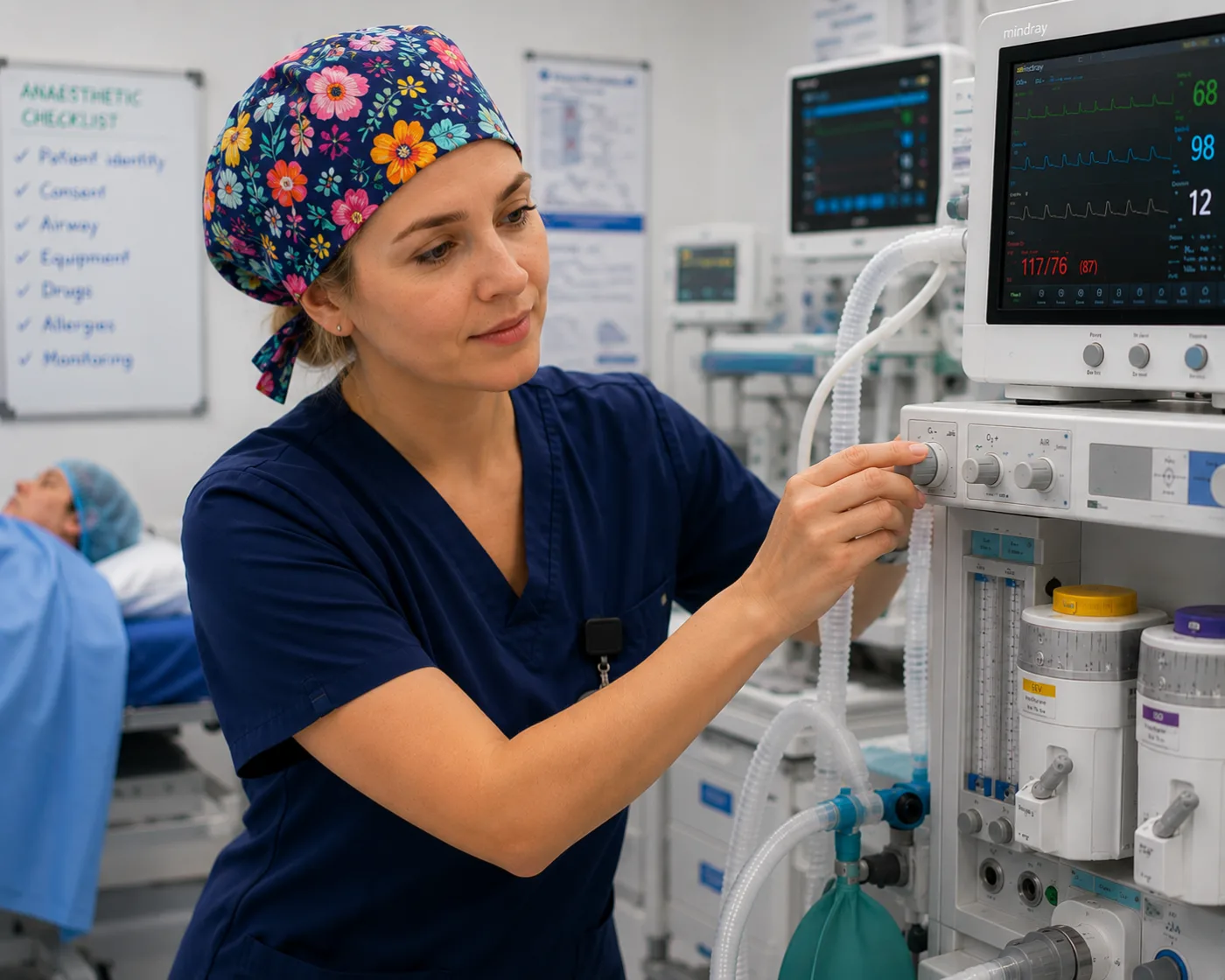
Anaesthetic technicians are essential to New Zealand theatres, and good ATs are in steady demand. We support internationally trained ATs and ODPs, from the UK, South Africa, the UAE and beyond. The teams are close and supportive, the work is skilled, and the pace is more sustainable.
The lifestyle is the part people don’t expect. With shorter commutes and the outdoors close at hand, the move tends to give back time as well as a different working culture.
Where you could live →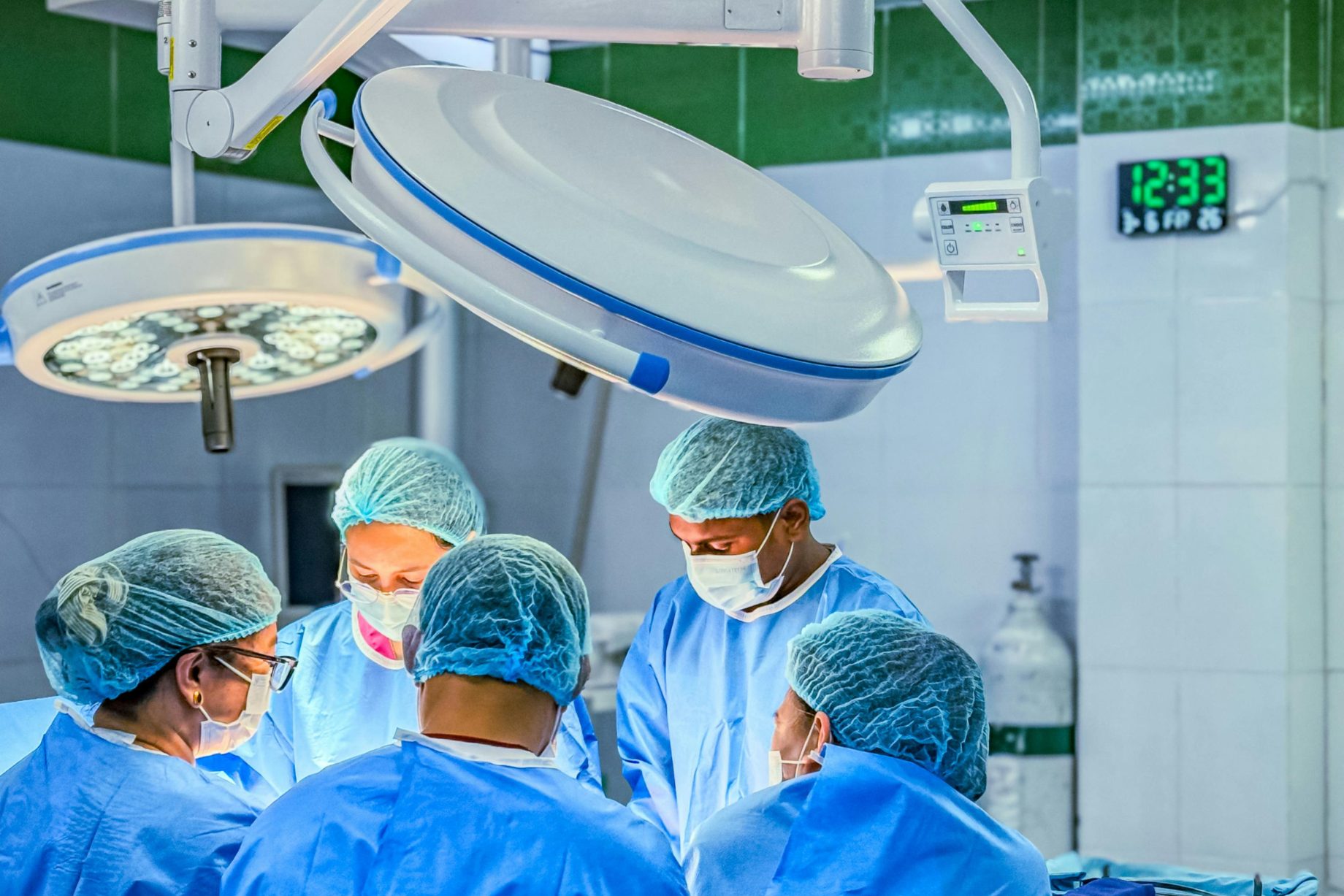
A registered profession, with its own council and its own scope.
The clinical skills transfer almost entirely. What changes is your standing. You register with the Medical Sciences Council of New Zealand and hold an Annual Practising Certificate, the same as any other regulated clinician, so your scope is written down and your accountability is your own.
The scope is anaesthesia-focused rather than whole-theatre. New Zealand separates anaesthetic practice from scrub and recovery, so you go deeper into anaesthesia instead of rotating across all three. Teams are smaller and flatter, handovers are less formal, and more independent preparation and problem-solving is expected of you. If breadth is what you value most about your current job, say so early.
Scope of practice →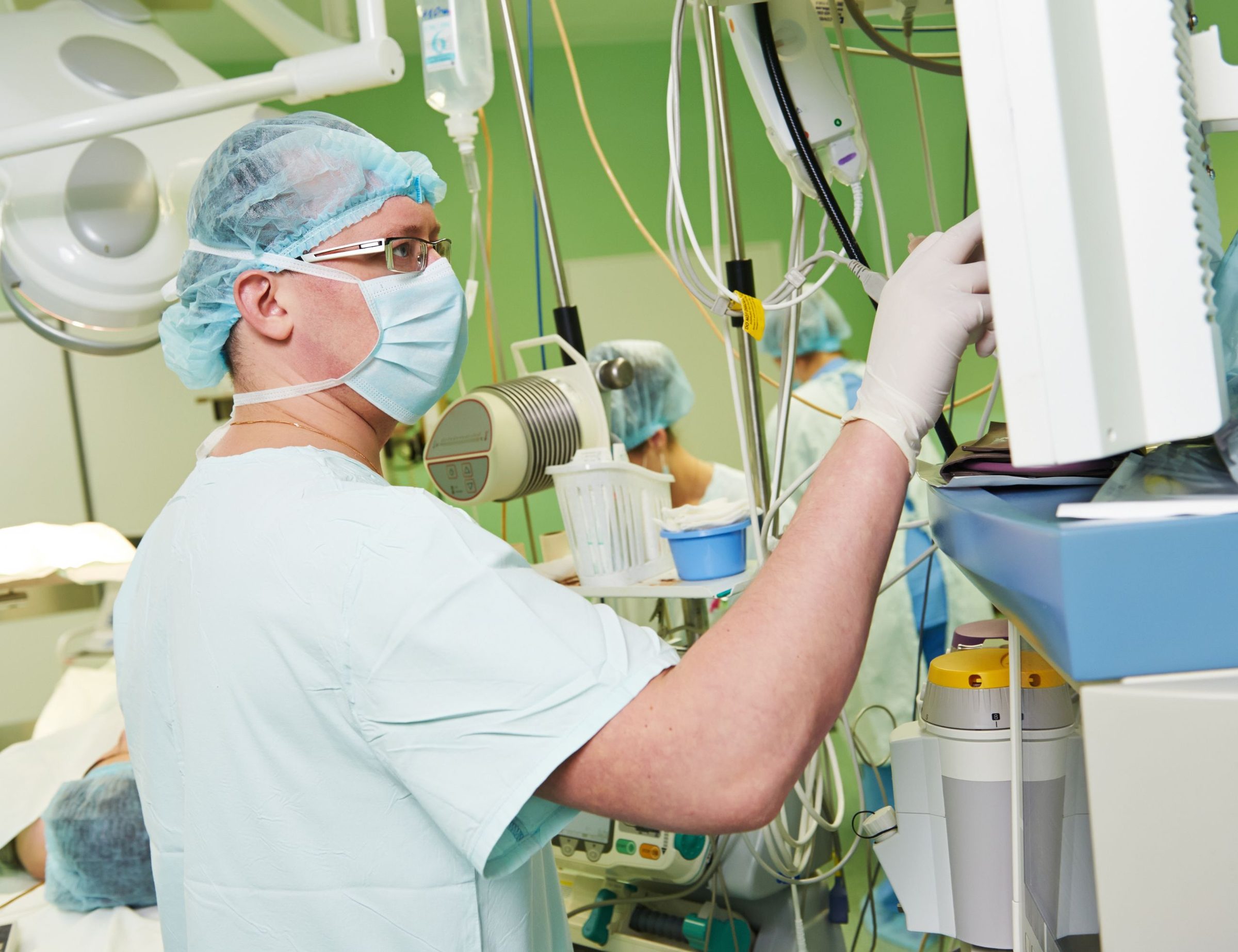
A theatre-based week, with variety across surgical specialties.
Your week is theatre-based and team-focused. The surgical specialties change from list to list, and the core of the work holds steady.
- Preparing equipment, drugs and the anaesthetic environment
- Supporting anaesthetists through cases
- Caring for patients before, during and after anaesthesia
- Maintaining safety and quality standards
- Supporting students and colleagues

The essentials, in five minutes
Seven questions people ask before they decide. Open the ones that matter to you.
Can I work there?Yes, and you register in your own right
Anaesthetic technology is a registered profession here, with its own council and its own defined scope. You register with the Medical Sciences Council of New Zealand, which assesses your qualification, clinical experience and competency, and you hold an Annual Practising Certificate like any other regulated clinician.
How registration works →What could I earn?Around NZ$79,000–$119,000
Indicative, and what experienced anaesthetic technicians earn in the public system. Newly qualified starts nearer NZ$72,000, and senior designated roles reach about NZ$155,000. Where you land depends on assessed experience — we confirm your actual number before you decide anything.
How pay is set →Where are the jobs?Steady, public and private
Consistent demand for skilled anaesthetic technicians across hospital theatres and private surgical centres. Not a boom, but a reliable market — and broad enough that where you live is usually your decision.
See current roles →What will the work be like?Registered in your own right
The clinical skills transfer almost entirely. What changes is your standing: your scope is written down, your accountability is your own, and you are not practising as an assistant under someone else’s registration. If you trained as an ODP, understand this before you commit.
The work itself →Can I bring my family?Yes, most people do
Partners and children can usually join you on visas linked to yours, and partners can usually work. Schools, childcare and the family logistics are explained once, properly, in the family guide.
Family moves, explained →What will moving cost?Budget for real fees
Council registration and your first practising certificate, qualification verification, police clearance, visa fees for everyone moving, flights and shipping. Some employers contribute to relocation, some don’t — we get whatever is offered in writing.
The move, costed →How long could this take?Usually several months
Registration and the visa run largely in parallel, and document verification is usually the slow part — start collecting evidence of recent practice early. Which of the two pathways applies to you depends on where you trained, and we settle that first.
The journey, sequenced →Current opportunities
Roles we're recruiting for right now. If none is quite right, register your interest and we'll be in touch when something fits.
The detail, when you want it
Registration, pay, scope and what makes the work different here. Everything is here, one section at a time.
Getting registeredRegistration overview
Reviewed July 2026 · checked against the Medical Sciences Council’s current published guidance
To practise in New Zealand you'll register with the Medical Sciences Council of New Zealand (MSCNZ). For most internationally trained ATs the process is well-established, and we’ll guide you through it.
The Council assesses your qualification, clinical experience and competency against New Zealand standards. As part of the process you'll typically need:
- Verification of your qualification
- Evidence of recent clinical practice
- A police / criminal-history clearance
- Confirmation of English-language proficiency, if required
Once registered, you’ll hold an Annual Practising Certificate (APC). We support you from pathway to placement.
Registration pathways
Your route depends on where you trained and how closely your experience aligns with New Zealand standards.
Qualifications-assessed pathway
The common route for ATs trained overseas, assessed against New Zealand standards.
Comparable-country pathway
A more streamlined route for those from recognised comparable systems.
Your registration resources, all on one page
Start with our complete guide, go straight to the people who register you, then use the checklist and notes below to get your application right first time.
Prefer a download? Registration guide · Checklist
Registration checklist
What to gather before you apply to the MSCNZ:
- Certified copies of your qualifications
- Evidence of recent, relevant clinical practice
- A certificate of good standing from every authority you’ve registered with
- A police / criminal-history check
- Proof of identity, plus any name-change documents
- English-language evidence (IELTS or OET), if required
- One personal and one professional referee
- Your application fee, ready at submission
Advice & notes
Start early
Gathering documents before you apply is the single best way to avoid delays. Missing paperwork is the most common hold-up.
Mind the dates
Certificates of good standing and certified copies have a short validity window, so time them so they’re still current when you submit.
Then your visa
Apply for your visa once you have a job offer. We’ll guide the order so nothing happens out of sequence.
You’re not on your own
We’ll review your documents with you before you submit, and stay alongside you through every step.
Scope of practiceSkilled, registered practice across the phases of anaesthesia
New Zealand ATs prepare for and support anaesthesia across a wide range of surgical specialties, within a scope defined by the Medical Sciences Council.
Day to day that means equipment and drug preparation, airway and monitoring set-up, supporting induction, maintenance and emergence, and handover to recovery, working alongside an anaesthetist across everything from routine elective lists to obstetric and trauma work.
The April 2025 scope update. Following the update, the role more closely mirrors the multi-phase, perioperative responsibilities held by ODPs in the UK — spanning patient preparation, induction, maintenance, emergence and handover, under the direction of an anaesthetist. The key difference remains: New Zealand still separates anaesthetic support from scrub and recovery practice, though that may evolve.
Anaesthesia happens beyond theatre too. Imaging, endoscopy, cardiology and procedure-room sedation lists all need anaesthetic support, and in smaller hospitals that variety arrives faster than it would in a large tertiary suite.
Progression is real within the scope. Senior AT and charge roles, equipment and clinical lead positions, student supervision and clinical education, and depth in a specialty such as cardiac, neuro, obstetric or paediatric anaesthesia are the established routes. Departments here are generally supportive of study for someone committed to the service.
Salary & benefitsWhat comes with the role
Indicative only — actual pay depends on your experience, setting and location. We'll always talk through real, current figures for the roles that fit you.
Set by agreement
Pay is set under the APEX Anaesthetic Technicians collective agreement — we'll confirm the current band for each role.
Penalty rates
Additional penalty/allowance rates apply for shifts outside regular hours, per the agreement.
Generous leave
Paid annual leave plus public holidays, per the agreement.
Employer contributions
New Zealand's workplace retirement scheme, on top of pay.
Funded CPD
Ongoing training, workshops and routes to specialise.
Publicly funded
Work visas of 2+ years generally bring publicly funded healthcare.
The difference that shapes the workWhy ATs tell us the work feels different here
Close teams, a sustainable pace, and theatres that value their technicians.
"The theatre teams here are tight, and they look after each other."
A hiker from Iran, a hospital in Northland
“I had never heard of Whāngārei before Ethicare mentioned it to me.”
I was a regular hiker back home in Iran, so once I started looking into Northland, it immediately appealed to me.
I now work as an Anaesthetic Technician for Health New Zealand in Northland, where we see a good mix of general and elective surgery. The bigger and more complex cases tend to be treated in Auckland or other major centres.
Northland is absolutely beautiful. I love hiking and photography, so having beaches, forests, coastal walks and incredible scenery so close by is a real highlight.
Whāngārei is much quieter than I was used to. If you’re looking for big-city life and nightlife, it probably isn’t for you. But for families or anyone who enjoys the outdoors and a laid-back beach lifestyle, it’s a great place to live.
I’m really pleased Ethicare introduced me to somewhere I might never have considered on my own.

Photograph by Emad Kabiri

Skilled anaesthetic technicians are in steady demand, and theatre teams here tend to be close and supportive, something people really notice when they arrive.
The clinical transition from comparable systems is generally smooth; the adjustment is mostly about settling into a new theatre culture and a new pace of life.
SophieFounder, Ethicare Resourcing
What we can’t promise
Three things we won’t guarantee, and what we do instead.
Timelines that aren’t ours to give
Registration sits with the Medical Sciences Council and visas with Immigration New Zealand. We’ll give you the likely range, keep your file complete and moving, and chase what can be chased — but we won’t quote a faster number just to win you over.
A specific job in a specific suburb
Vacancies move. If your heart is set on one workplace in one corner of one city, we’ll tell you plainly how long that wait could be — before you resign anything, not after.
That the move is right for you
Some moves shouldn’t happen. If the scope, the pay maths or the family logistics don’t stack up, we’ll say so plainly.
Frequently asked
I'm a UK-trained ODP. Does my qualification count?
Yes. The Medical Sciences Council assesses your qualification, your recent clinical practice and your competency against New Zealand standards, and UK ODP training is well recognised. We support internationally trained ATs and ODPs from the UK, South Africa, the UAE and beyond.
The adjustment is scope rather than skill. You will narrow into anaesthesia and go deeper, rather than rotating across anaesthetics, scrub and recovery.
Will I lose my scrub and recovery skills?
Some of them. New Zealand keeps anaesthetic practice separate from scrub and recovery, so your scrub work will not be part of the job. Some ATs do work in PACU, and that varies by service, so it is worth asking about specifically if recovery matters to you.
What you gain is depth. Most ODPs who move here say the anaesthetic side of their practice got noticeably stronger in the first year, because it is all they do.
What did the 2025 scope update change?
It extended the role across the phases of anaesthesia — preparation, induction, maintenance, emergence and handover — bringing it closer to the multi-phase perioperative responsibility ODPs hold in the UK. What it did not do is merge anaesthetic practice with scrub and recovery.
Practically, it means clearer recognition of what experienced ATs were already doing, and a scope that reads much more familiarly to someone arriving from the UK.
What are on-call and out-of-hours patterns like?
They depend on the service. Acute theatres run around the clock, so shift work and on-call are part of hospital practice, and in smaller hospitals on-call comes round more often because the roster is shorter. Private surgical centres are largely daytime elective work.
Ask about on-call frequency and how it is paid before you accept anything. We raise it as standard during offer discussions because it is the detail that most often changes how a role feels.
What is the theatre team structure like?
Small, flat and high-trust. You will work with the same anaesthetists repeatedly rather than a rotating cast, hierarchies are less formal than in large overseas suites, and you are expected to raise concerns directly. Most ATs find the trust and the visibility go together: good practice gets noticed quickly here.
Can I progress, or is it a flat career?
There is a proper ladder. Senior AT and charge roles, equipment and clinical lead positions, clinical education and student supervision, and depth in specialties such as cardiac, neuro, obstetric or paediatric anaesthesia. Because the profession is registered with its own scope, those roles are defined rather than improvised.
It is also a small enough workforce that people know each other, which tends to make moving into a senior role a conversation rather than a competition.
Which theatres would you like to be setting up for?
Relocating to a new country can feel overwhelming at times, and you won't be doing it on your own. Find your registration pathway in two minutes, then send us your CV and we’ll take it from there.