
Western Australia is a third of the continent with one city holding most of its people: Perth, the most isolated capital on earth, and one of the most pleasant places on it. For clinicians the west offers the country’s best city beaches, an easier housing market than the east, and — beyond the city — the strongest incentives in Australian healthcare.
One city, one third of a continent
Perth sits on the Swan River between an endless white-sand coast and its own Mediterranean climate — two million people, a rebuilt riverfront, Kings Park looking over it all, and Fremantle’s port-town streets at the river’s mouth. It runs on its own clock, two or three hours behind the east coast, and closer to Jakarta than to Sydney — a fact that shapes everything from flight times to the evening news.
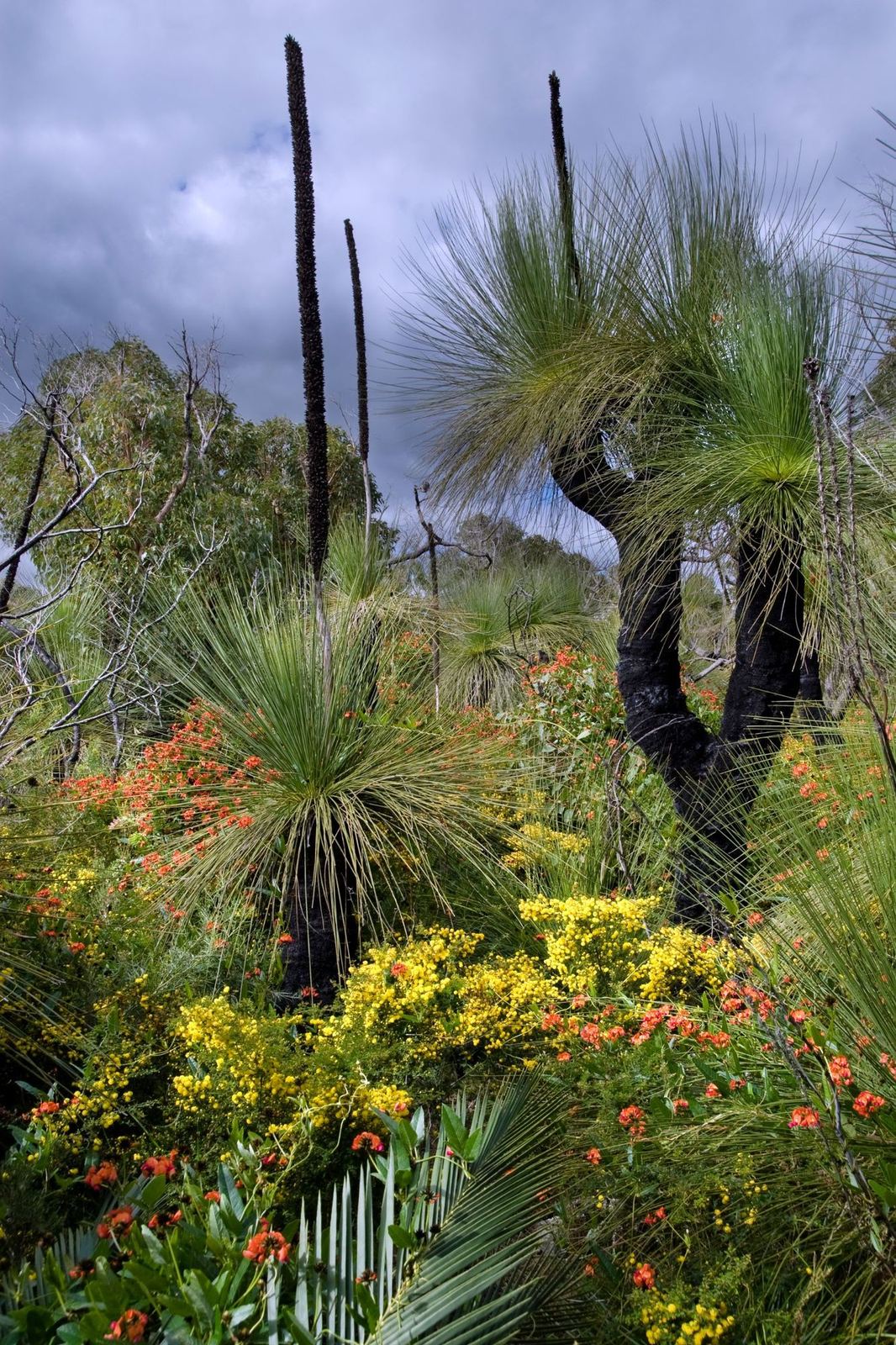
Beyond the city, the south-west corner is the liveable west: Bunbury’s regional hub ninety minutes down the freeway, Busselton and the Margaret River wine coast beyond it, and tall-timber country to the southern capes. Then the state opens into its other identity — the Wheatbelt, the Goldfields around Kalgoorlie, and the vast north: the Pilbara’s iron country and the Kimberley’s gorges, where medicine is flown, salaries carry serious loadings, and the nearest tertiary hospital is a four-hour flight south.
The costs are distance and daylight: every east-coast conference, wedding and family visit is a five-hour flight, and the time gap makes cross-country calls a planning exercise. What the west gives back is the country’s easiest big-city life — and the sunsets, because this is the only capital where the sun sets over the sea.
- Ethicare is a healthcare recruitment company. This guide is free to read, asks nothing of you, and does not give visa advice.
- WA is the state people choose deliberately rather than drift into — and the one where the "will the distance bother you?" conversation matters most. Where we think it’s the wrong answer, we say so.
The state, in nine numbers
Six things you only learn once you’re here
- Perth stands on Whadjuk Noongar country, and the south-west is Noongar land from the coast to the wheat line. The north is different Country entirely — Yamatji, Pilbara nations and the Kimberley’s many peoples, where Aboriginal health is central to the clinical work and community-controlled organisations lead much of it.
- Acknowledgement of Country opens meetings, and in the north cultural safety is core clinical preparation, not a slide deck. Take the induction seriously.
How to read this guide
Nine chapters, all of them about Western Australia specifically. Anything true of Australia generally — Medicare, visas, Ahpra registration, tax, superannuation, schools — lives once in Moving to Australia.
If you read nothing else, read Why Western Australia for the full case including the distance question, and Healthcare in WA, because the north is a different career from the city and deserves a clear-eyed look.