Real journeys

Eight moves to New Zealand and Australia: the decisions and the costs

There is no single relocation story. For one parent, the question is whether nursery fees make a new career possible. For another family, it is whether teenagers can leave a comfortable home behind. For a couple, it is whether a second job will materialise at all. These are the decisions that sit behind a plane ticket.

These stories are grounded in the real circumstances supplied by Ethicare. They are written with warmth, but do not attribute invented quotations, private feelings or unconfirmed events to the families. Where figures are not actual bills or payslips, they are clearly identified as planning illustrations.

Palmerston North

Story 01 of 08

Zanele

A new life with a baby

  • South Africa → Palmerston North
  • Radiation therapist
  • Six-month-old son
  • NZ$107,000 salary

For Zanele, the question isn’t whether a job in New Zealand sounds exciting. It’s whether a full working day can fit around a baby who is only six months old, with no grandparent nearby to step in on a Tuesday morning.

The decision is bigger than a job offer

Zanele has a radiation therapy position in Palmerston North on NZ$107,000 a year. She is planning the move with her six-month-old son and, at least at first, without a partner to share the day-to-day childcare.

The job can be secure on paper while the things that make full-time work possible are still unresolved: a nursery place, a workable Monday morning and a plan for the days her son is unwell.

Work and professional adjustment

Her first months mean learning a new oncology service: its protocols, equipment, documentation and colleagues. Registration, the practising certificate, immigration and onboarding all need checking against her own qualifications.

Her employer should confirm roster times, flexibility for nursery collection, leave, and what happens when her son is sick. A nursery place matters as much as its price.

Finding a home and childcare

A planning rent of NZ$520 a week is about NZ$2,253 a month: a reference point, not a real property. Where the nursery is matters almost as much as the rent, because a cheaper house across town can mean an extra journey twice a day.

She should contact nurseries well before she arrives and ask about infant places, minimum days, fees, deposits, closures and illness policies. A centre with a vacancy isn’t necessarily one that covers her hours.

The support question

Moving alone with a baby means losing informal help: the friend or relative who could take over for an hour. She will need time to find people she trusts and an emergency contact. A new start can bring independence, and lonely evenings too. Both are worth preparing for.

Childcare assistance and tax residency

At six months, her son is too young for 20 Hours ECE, which is for children aged three to five. The Work and Income Childcare Subsidy generally isn’t available on an Accredited Employer Work Visa without a residence-class visa, whatever the salary.

FamilyBoost, from Inland Revenue, can help. It needs New Zealand tax residency, a child aged five or under, licensed ECE fees and qualifying household income. On NZ$107,000 her income is below the point where it starts to reduce, so she could get back 40% of eligible fees, up to NZ$1,560 a quarter.

One quarter of nursery fees
She pays
NZ$5,200
NZ$400 a week for 13 weeks, paid as the invoices arrive
Back later
NZ$1,560
FamilyBoost, if eligible, after the quarter ends

The full NZ$1,560 needs at least NZ$3,900 of eligible fees in the quarter, about NZ$300 a week.

How the refund reaches her
  1. Pay the nurseryEvery invoice, in full. Keep each one.
  2. Become tax residentMore than 183 days in any 12 months, backdated to the first of those days. A permanent place of abode can make it sooner.
  3. Quarter endsClaims are made after each quarter, never part-way through.
  4. Claim in myIREarlier eligible quarters can be claimed up to four years later.
  5. Refund paidMost within 15 working days.

So she may pay several months of fees in full before anything comes back. Her budget has to work without FamilyBoost.

What she may gain — and miss

A smaller city can make routines simpler and make it easier to get to know neighbours, colleagues and other parents. Harder to price is what she leaves: family help with the baby, familiar food, and someone to call at short notice. Calls home and a travel fund help, but don’t replace hands-on support.

The financial picture

Where a month’s pay goes

NZ$6,662 take-home a month

NZ$729 left

NZ$107,000gross salary a year
NZ$25,720illustrative upfront cash needed
NZ$520planning rent a week

Take-home is NZ$107,000 less about NZ$25,187.50 income tax and NZ$1,872.50 ACC levy (2026/27): NZ$79,940 a year, before any retirement contribution, student loan or other deductions. Planning illustrations, not her actual bills, and the NZ$729 is not guaranteed saving.

The first-year test

Success won’t be the arrival date or the first payslip. It will be whether Zanele can keep up a working week, pay for reliable childcare, meet her son’s needs and build a life that feels supported. Before she leaves she should secure childcare, confirm her net pay and leave rights, arrange temporary accommodation and set up an emergency plan.

Practical checklist

  • Confirm visa status
  • Secure an infant place and full written fee schedule
  • Establish tax-residency facts
  • Keep every licensed-provider invoice
  • Obtain the child’s IRD number
  • Register and claim through myIR after each eligible quarter
  • Preserve enough cash to pay childcare while waiting

Devonport, looking across the Hauraki Gulf, Auckland

Story 02 of 08

Gemma and Ellie

A better life in Auckland

  • Bolton, Greater Manchester → Auckland
  • Anaesthetic technician
  • Gemma and her daughter Ellie, aged seven
  • NZ$103,000 salary

Gemma didn’t leave a hospital job in Bolton for a change of scenery. She moved to Auckland alone with seven-year-old Ellie because she wanted a better life for her daughter. Today Ellie is really happy, and that is the centre of this story.

Why Gemma made the move

Gemma was an anaesthetic technician at a hospital in Bolton. This wasn’t a couple moving with two incomes and two adults to share the school run: she took on an international move as a single parent while carrying on her hospital career.

One familiar face was already there. Her cousin lives in Auckland and works as a university lecturer, which gave the move a personal connection, though not regular childcare.

A home she loves being in

NZ$700 a week

About NZ$3,033 a month for a two-bedroom house with a small garden in Parnell.

Gemma chose to put her money into a home she would enjoy spending time in. She loves entertaining, and as the only adult at home with Ellie, nights out on her own aren’t easy to arrange. So rather than going out a lot, she has friends round and enjoys a glass of wine in the garden.

The home also has to work on an ordinary Tuesday: the journey to school, the commute to the hospital and space for Ellie to play.

Ellie’s school day, and the care around it

Ellie goes to breakfast club and after-school club. They aren’t extras: they are how Gemma makes a full working day and solo parenting fit together.

Ellie’s school day
  1. Breakfast clubBefore school, so Gemma can start her list
  2. SchoolThe school day itself
  3. After-school clubUntil Gemma finishes at 4.30
  4. Home togetherCollected on her way home, Monday to Friday
What before- and after-school care costs in Auckland
A school-term weekNZ$170–250Before and after school, five days, at NZ$17–25 a session
A school-holiday weekNZ$200–270Holiday programme, NZ$40–54 a day
A yearNZ$8,400–12,200About 40 term weeks, and 8 holiday weeks once her own leave is used

Typical published Auckland prices for 2026, not Ellie’s actual fees. The OSCAR Subsidy, which helps with these costs, is only for New Zealand citizens and permanent residents, so it doesn’t apply on a work visa.

Working in theatres as a solo parent

In Auckland, Gemma works as an anaesthetic technician at a private hospital that runs elective lists. That means predictable hours: she finishes at 4.30, Monday to Friday, which is what makes breakfast and after-school club work.

Not every theatre job is like that. Public hospital roles can include on-call, weekends and later finishes, so anyone following the same path should confirm these before accepting:

  • Rostered start and finish times
  • On-call and weekends
  • Orientation
  • Registration
  • Annual leave
  • Childcare emergencies

Dance, swimming and football

Ellie is seven and loves dance, swimming and girls’ football. Clubs are one of the quickest ways for a child to make friends, and there are good options close to home:

  • DanceBloom Academy of DanceClasses at Parnell District SchoolJunior ballet and song and dance for her age
  • Girls’ footballEastern Suburbs AFC, Junior LilywhitesMadills Farm, KohimaramaGirls-only sessions for 7th and 8th grade, Tuesdays and Thursdays 4.15–5.15pm; NZ$125 a term for one day a week
  • SwimmingTepid Baths100 Customs Street West, central AucklandLearn to swim all year, NZ$20.60 a session for school-age children; entry free for under-16s
  • Swimming in summerParnell BathsJudges Bay Road, ParnellOutdoor pool in the summer months, with SwimMagic lessons

What they might still miss

A happy move doesn’t mean nothing is missed. Friends and family in Bolton and Manchester are a long way away, and visits take real time and money. As the only parent, Gemma has less room for manoeuvre when Ellie is unwell or school care is closed, so her budget needs space for holiday programmes, emergency cover and trips back to the UK.

The financial picture

Where a month’s pay goes

NZ$6,444 take-home a month

NZ$911 left

NZ$103,000gross salary a year
NZ$700rent a week
NZ$36,300illustrative upfront cash needed

Take-home is after income tax and ACC, before retirement contributions and other deductions. Household costs use her rent of NZ$700 a week. Planning illustrations, not her actual bills.

What this move shows other single parents

Relocating alone with a child isn’t easy. But the right mix of work, school, before- and after-school care, a home you love and one local connection can make a new life possible. Ellie is really happy.

The Bay of Plenty coast

Story 03 of 08

The Moodley family

Leaving a good life behind

  • South Africa → Tauranga
  • Sonographer
  • Partner working remotely
  • Two teenagers

The Moodley family had something worth staying for: a lovely house in South Africa, a pool, domestic help and the comfort of an established life. They aren’t moving because they have nothing to lose. They are weighing what their two teenagers might gain.

Not every relocation begins with dissatisfaction

The mother, a sonographer, has a position in Tauranga on NZ$127,000 a year. Her husband may be able to keep working remotely, and their two teenagers are at the centre of the decision. The family are weighing a life they genuinely value against concerns about safety and the opportunities their children might have. That makes it emotionally complicated.

  • What they leaveA comfortable, established lifeA beautiful home, a swimming pool and domestic helpThese aren’t small details: they shape how a family spends its evenings and weekends.
  • What they hope to gainA different sort of freedomOpportunities for the teenagers, beaches, coastal walks and sport in the Bay of PlentyIn return, probably a smaller home and more housework, gardening, school runs and errands of their own.

Two teenagers, two separate transitions

For a teenager, “better opportunities” is an adult phrase until it becomes something real: a school they can picture, friends, a sport they can keep playing. Each should have their own reaction and a real say, and the chance to keep friendships at home. An enthusiastic teenager may struggle later; a reluctant one may settle well. Neither should be assumed.

Before choosing where to live, the family should look into:

  • Subject choices
  • Year-level placement
  • Sport and activities
  • Routes to university

A career, and a second income with complications

She will be adapting to local sonography practice, clinical systems and patient pathways, and should check her actual net pay and terms. His remote work is a real advantage, but it needs checking before anyone counts on it:

  • Permission to work
  • His employer’s cross-border arrangements
  • Payroll
  • Tax residence
  • Permanent-establishment rules

Renting out the South African house

They are keeping their home and letting it rather than selling. That keeps an asset and a route back, but rent received isn’t money to spend. Property management, maintenance, insurance, empty periods, any mortgage, South African tax and New Zealand tax on foreign rent can make the cash flow positive or negative, so the budget leaves it out.

What could make them question the decision

A smaller or dearer house, fewer conveniences, a homesick teenager, distance from relatives, or remote work that doesn’t go to plan. The honest comparison isn’t an ideal South Africa against New Zealand, or South Africa’s difficulties alone. It is what is already good, what they fear losing and what they hope to gain.

The first-year test

Success means the teenagers finding where they belong, a job she finds satisfying, his work set up lawfully and sustainably, and a family at ease with the new routine. A staged decision, with a contingency fund and a clear plan for the house, is wiser than assuming the move must be permanent from day one.

The financial picture

Where a month’s pay goes

NZ$7,749 take-home a month

NZ$616 left

NZ$127,000her gross salary a year
NZ$55,600illustrative upfront cash needed
Not countedhis remote income or rent from the house, until verified

Take-home is after income tax and ACC, before retirement contributions and other deductions. Planning illustrations, not their actual bills.

Oriental Bay, Wellington

Story 04 of 08

Anoop

Starting again as a professional family

  • United Arab Emirates → Wellington
  • Anaesthetic technician
  • A pharmacist wife
  • A three-year-old daughter

Anoop and his family came from the UAE to the Wellington region. His anaesthetic technician job was the starting point, but their story is just as much about a home with room to play, their daughter’s nursery and his wife’s career as a pharmacist.

Their daughter has started nursery and is settling in really well, and they have found friends through a Kerala community association. The cold, after years in the UAE, is still a real adjustment.

From the UAE to a New Zealand hospital

Anoop works as an anaesthetic technician on an illustrative NZ$110,000 a year. Moving between health systems means new routines and expectations, and he should clarify with the authorities and his employer:

  • Scope of practice
  • Registration
  • Supervision
  • Shift patterns
  • On-call

He shouldn’t assume fewer shifts or a lighter workload. The hospital, the commute and housing costs need weighing together.

His wife’s career needs its own plan

She trained as a pharmacist in India and can’t assume she will practise straight away in New Zealand. Depending on her qualifications and registration history, her pathway may involve:

What her pharmacy pathway may involve
  1. Eligibility assessmentHer qualifications and registration history
  2. ExaminationsIf her assessment requires them
  3. Supervised practiceBefore practising independently
  4. RegistrationThen employment as a pharmacist

There may be fees, delays and periods when she can’t work in her profession, which affects money and confidence. An individual pathway assessment, with time and cost, before they leave helps. The budget doesn’t count on her income.

Their daughter is settling happily into nursery

Up to 20 hours a week

20 Hours ECE helps with early childhood education for children aged three to five, depending on the service. Extra hours and optional charges are paid separately.

Nursery has become part of their everyday routine, and knowing she is happy there makes everything else easier. Through a Kerala community association in the Wellington area they keep up the language, traditions, celebrations and food, and meet families who know what building a life here involves.

More space, outside central Wellington

They wanted more room than they could afford close to the centre. A Hutt Valley suburb such as Naenae, in Lower Hutt, offers space to play, parks and nurseries nearby, with a train or car into Wellington. Door-to-door time depends on where Anoop works, his shifts and nursery drop-off, and would be much shorter if he worked at Hutt Hospital. They should test the journey at his real start and finish times.

The Wellington winter

After the UAE, Wellington’s cold, damp, windy winters are a real challenge, especially with a young child. When comparing rentals, these matter as much as the rent:

  • Insulation
  • Ventilation
  • Heating
  • Signs of damp
  • Winter clothing
  • Higher power bills

The Healthy Homes Standards set minimums for rentals, but comfort still varies from home to home. They also miss the warmth of the UAE, friends, familiar routines and easier access to relatives.

The financial picture

Where a month’s pay goes

NZ$6,825 take-home a month

NZ$1,108 left

NZ$110,000his gross salary a year
NZ$37,900illustrative upfront cash needed
Not assumedher pharmacist income

Take-home is after income tax and ACC, before retirement contributions and other deductions. Commuting, winter heating, professional fees and trips to see family all belong in the budget alongside rent. Planning illustrations, not their actual bills.

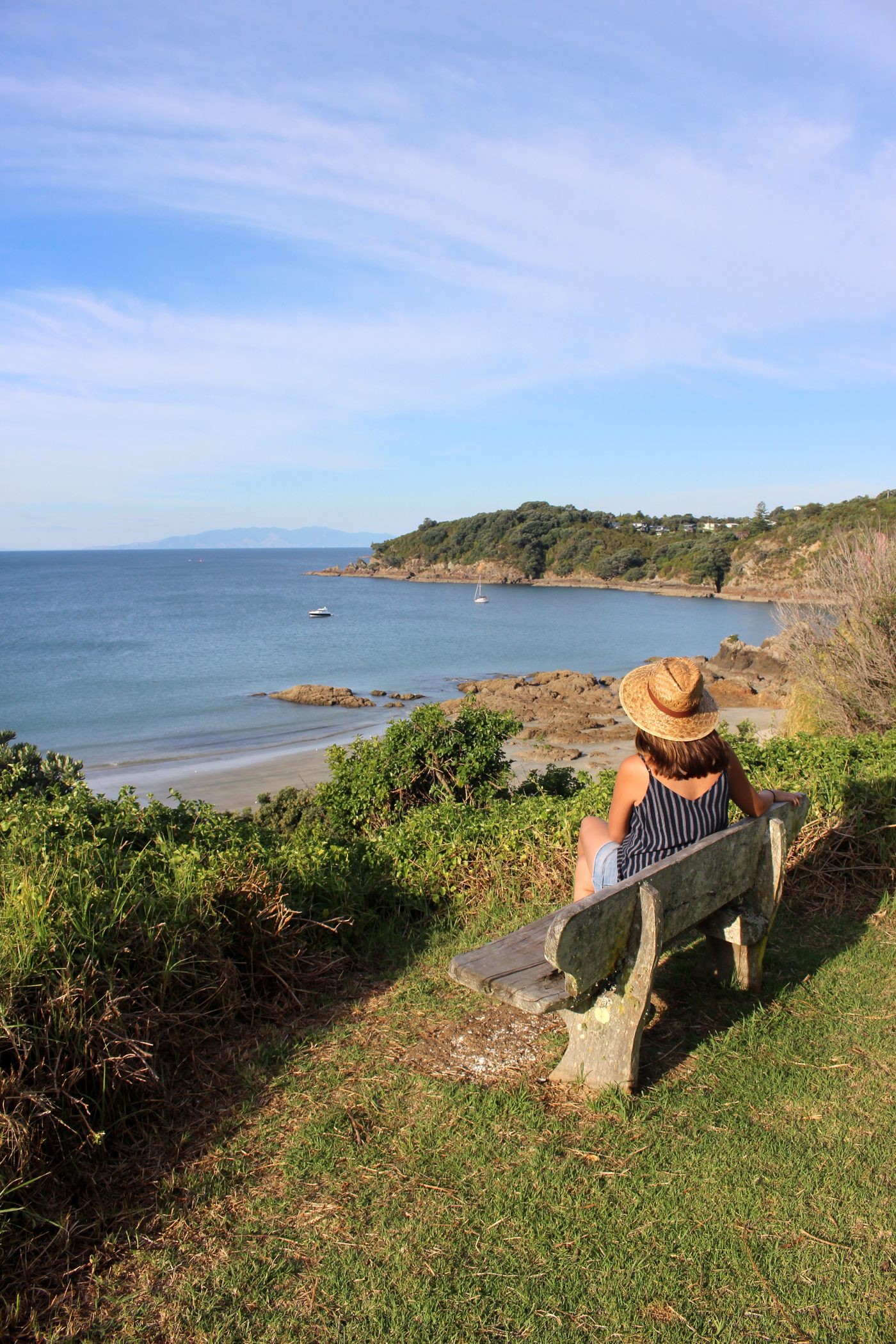
A bench looking over the harbour on Waiheke Island

Story 05 of 08

Tom and Rachel

From Islington to Remuera

  • London → Auckland
  • Consultant psychiatrist and GP
  • Three children, the eldest 13
  • Their dog, Bramble

Tom and Rachel weren’t escaping a bad life. They had a four-bedroom home in Islington, established medical careers, three children with their own friends and routines, and Bramble, their dog.

So the question isn’t “would we like living near the sea?” It’s what they are prepared to trade: NHS pension accrual, a system they know and grandparents nearby, for a different rhythm of family life.

Why leave a life they already love?

They value London’s culture, friendships and professional networks, and having family close. Auckland offers the children more outdoor sport, beaches, garden time and family adventures. They are testing whether that can sit alongside two demanding medical careers.

Two careers in a new system

  • TomConsultant psychiatrist, Health New ZealandNZ$282,645 a year assumed: the top published ASMS specialist stepAn assumption about his negotiated appointment, not a guaranteed starting point. On-call and allowances excluded.
  • RachelGP, three days a week (six sessions)NZ$144,000 a year assumed: 0.6 of an illustrative NZ$240,000 full-time rateNot a national GP salary entitlement.

Tom will be learning new referral processes, service structures and legislation, along with Māori health, culturally safe practice, Te Tiriti obligations and the place of whānau in care. A New Zealand consultant post isn’t automatically less pressured: mental health services are stretched in both countries.

Rachel moves into a mix of capitation funding, patient co-payments and different prescribing and referral systems. Six sessions can still bring admin outside appointments, so she should check the schedule really gives the family the flexibility they want.

  • Salary step and recognition of experience
  • Caseload and vacancies
  • On-call frequency
  • Admin and teaching time
  • Leave and CME allowance
  • Employer retirement contributions

The NHS pension question

The difference isn’t the percentage on a payslip. It is two different kinds of pension.

  • In the NHSA defined-benefit promiseThe 2015 scheme builds 1/54 of pensionable earnings each year, revalued under the scheme rulesRights already built up aren’t lost by leaving, but new accrual stops while they work outside the scheme.
  • In New ZealandContributions that are investedTom may get an employer subsidy of up to 6%: about NZ$16,959 a year matching his own 6%, before taxInvested, so it carries different risks. Temporary visa holders generally can’t join KiwiSaver, and Rachel’s depends on her GP contract.

Both should get individual NHS pension forecasts and regulated cross-border advice before making any decision they can’t undo.

A home in Remuera, and the right schools

NZ$1,650 a week

About NZ$7,150 a month for a four-bedroom rental in Remuera, with a study and a secure garden for Bramble.

Location and school access matter as much as the house. They should check the exact address against current enrolment zones for Remuera School, Remuera Intermediate and, by age, Auckland Grammar or Epsom Girls’ Grammar, rather than assume every Remuera home qualifies. School costs go well beyond enrolment: uniforms, stationery, trips, sport and holiday programmes.

Their eldest, now 13

At 13, their son may feel the loss of established friendships most. He loves basketball, rugby and kayaking, and a team or club is one of the quickest ways to make new friends. Real options near home:

  • BasketballAuckland JaguarsBarfoot and Thompson Stadium, KohimaramaYouth grades for ages 5 to 18, Friday nights
  • RugbyGrammar Juniors Rugby ClubShore Road Reserve, RemueraPre-school to under 13; after that, rugby is usually through school
  • KayakingAuckland Canoe ClubŌkahu Bay boat ramp, Tāmaki DriveSocial paddling and skills, NZ$40 a year; ask about junior members
  • Kayaking and sailingOrakei Sea ScoutsOrakei BasinKayaking, paddle boarding and sailing in summer

Bramble is part of the family

Bringing a dog from the UK means veterinary preparation, import conditions, specialist transport and approved quarantine. The planning allowance is NZ$12,000, but a real quote and the current rules are essential. A garden isn’t enough on its own: the tenancy has to allow a dog.

On the three days Rachel works, nobody is home, so Bramble goes to doggy day care.

What doggy day care costs in Auckland
A dayNZ$43–60Weekly membership or a casual full day
Three days a weekNZ$130–180On Rachel’s working days
A monthAbout NZ$560–780Three days every week

Published 2026 prices from an Auckland day care, not the family’s actual provider. Consumer NZ puts day care at about NZ$32–65 a day; some centres include pick-up and drop-off.

Weekends: beaches, Waiheke and the snow

They hope the children will spend more time outdoors: Mission Bay, Cornwall Park and the North Shore are all close. Waiheke Island is 35–40 minutes by ferry from central Auckland, with beaches, cafés and, when childcare is arranged, an adults-only lunch at Mudbrick or Cable Bay.

About NZ$5,050

An illustrative five-person ski weekend in Queenstown, about two hours’ flight away: flights, accommodation, transfers, passes, equipment and meals, before lessons or care for Bramble. A treat to budget for, not a casual outing.

Ordinary weeks still mean homework, chores, shifts and tired evenings. The question is whether they actually use what’s on the doorstep.

Keeping the Islington house

They plan to rent out their London home rather than sell. That keeps an asset and a route back, but gross rent isn’t spending money: mortgage consent, letting management, maintenance, insurance, void periods, UK non-resident landlord rules and New Zealand tax on overseas rent all apply. The budget leaves any surplus out until the net figure is known.

What they might miss

London’s theatres, museums, restaurants and public transport, professional connections and easy trips to Europe. Grandparents may be the hardest to replace. Each child will respond differently, and the younger two may feel homesick despite the beaches and sport. Christmas in summer and tenants in their old house can make the move feel suddenly permanent.

The financial picture

Where a month’s pay goes

NZ$24,555 take-home a month

NZ$6,655 left

NZ$426,645combined gross salary a year
NZ$1,650rent a week
NZ$108,400illustrative upfront cash needed

Combined take-home after income tax and ACC, before pension contributions and other deductions. Planning illustrations, not their actual bills; the household costs come from the original scenario and may not include Bramble’s day care.

What would make the move worthwhile?

Their salaries could support a very comfortable Auckland life, but take-home pay alone can’t settle it: the NHS accrual they give up, retirement saving here, the Islington house and the cost of the move all count. The honest test isn’t how Auckland looks on holiday. It’s how well an ordinary Tuesday works six months after they arrive.

The Auckland skyline from Bastion Point

Story 06 of 08

Marike, Pieter and Skye

Building a life in Auckland

  • South Africa → Auckland, New Zealand
  • Nuclear medicine technologist
  • A couple and their dog

Marike and Pieter can say what many families hope to after a move: they love their life in Auckland and it was definitely worth it. That matters more because the journey wasn’t easy.

Two very different employment journeys

Marike had a nuclear medicine technologist role at an Auckland hospital: a destination and a reason to take the leap. For Pieter it was much harder. Finding work took almost a year, which was hard practically and emotionally: one of them settling into a new role while the other was still applying, interviewing and waiting.

Couples need to plan for the second income taking six or twelve months to arrive: an emergency fund, realistic expectations of the job market, and an honest conversation about identity and independence.

Skye’s journey

Skye couldn’t simply be booked on the same flight. She stayed with Marike’s mother in South Africa while tests, certificates and paperwork were completed, then made the journey and spent time in quarantine, which was particularly hard for the family.

How the family came back together
  1. They moveMarike starts her role in Auckland
  2. Skye stays behindWith Marike’s mother, while tests and paperwork are done
  3. The journeyTransport once every requirement is met
  4. QuarantineThe hardest part for the family
  5. Home togetherSkye joins them in Auckland

Anyone bringing a pet should start early, with:

  • MPI’s current import requirements
  • An approved pet-transport provider
  • A vet who knows the process
  • A budget for tests, transport and quarantine

The hidden financial weight

Two pressures are easy to underestimate: the cost of moving a dog internationally, and living on one salary for much longer than expected. The question isn’t only whether they can afford the first month. It is whether they can manage a long stretch without the second income while setting up a home and bringing their dog over. No salary or cost figures were supplied for this family, so none are given here.

Missing South Africa, without regret

They still miss South Africa, family most of all. Their parents come to stay for holidays, and last summer Marike and Pieter went back to South Africa to get married. The move didn’t replace their South African life; it changed how they stay connected to it.

What their experience can teach other families

  • Plan for each partner’s job, not just the offer
  • A buffer for a long job search
  • Start a pet’s import early
  • Keep family connections alive

A hard first year doesn’t have to define the years after it. A move can be difficult, expensive and emotionally demanding, and still be the right decision. For them it was.

Bargara beach, near Bundaberg, Queensland

Story 07 of 08

Carla

A second interview, and one more Christmas at home

  • South Africa → Bundaberg, Queensland
  • Radiographer
  • Moving alone; her dog follows later

Carla leaves South Africa for Bundaberg in January 2027. She is travelling alone, and her dog will join her once she is settled. This is a story about preparing to move, written before she goes.

In this story
  1. Getting the job wasn’t straightforward
  2. The relocation package
  3. Her first 30 days
  4. Someone she already knows
  5. Her dog’s move comes later
  6. One more Christmas at home
  7. The practical money picture
  8. What others can learn

Getting the job wasn’t straightforward

Carla attended two interviews with one company, only to discover that the position had gone to a local candidate. After investing time and hope in the process, it was disappointing.

But the interviews had left a good impression. The company invited her to interview for another position in a different area within the same region. That interview was successful: she secured a radiographer role in Bundaberg and could begin planning her move.

Her experience shows something candidates don’t always see when an application ends unsuccessfully. Interviewing well can lead to another opportunity, even when the original role goes to someone else.

The relocation package

Carla describes the package as excellent. She has been offered one month’s accommodation in a shared house, four weeks’ car hire, and AUD $10,000 towards relocation costs, alongside support with her visa.

Having accommodation and transport arranged gives her a practical starting point. She will have somewhere to arrive, without needing to organise every part of daily life in the first week. Which costs the allowance covers is not yet confirmed.

Her first 30 days

The shared house will be her base while she starts work and gets to know the area. The next decisions are where she wants to live longer term, how she will get around once the car hire ends, and what she needs in place before bringing her dog over.

Someone she already knows

Moving alone means starting in a new workplace without family alongside her. One reassurance is a colleague who already works for the same company and has had a very positive experience. Alongside the interviews and the offer, Carla has heard about the employer from someone she knows.

Her dog’s move comes later

Carla has decided that her dog will stay with her parents until she is settled enough to bring her over. The move will happen in two stages: first establishing herself in Australia, then arranging her dog’s journey.

Pet relocation needs its own timetable and budget. It should not be assumed to fall within an employer’s allowance.

One more Christmas at home

Before leaving in January, Carla is looking forward to an extra-special Christmas with her family. The role is secured and the move is becoming real, and there are people, and a much-loved dog, she will miss.

The practical money picture

The package provides substantial support, but a complete budget still needs the payment arrangements, ongoing housing costs and the cost of moving her dog.

Part of the moveWhat is known
First month’s accommodationShared house provided
TransportFour weeks’ car hire included
Relocation contributionAUD $10,000; eligible costs and payment timing not yet confirmed
VisaEmployer support included; exact scope not yet confirmed
Longer-term housingStill to arrange
Dog’s relocationPlanned for later; a separate cost

What others can learn

An unsuccessful interview process can still create an opportunity. Keep relationships open, ask about other locations, and look closely at the practical details of the eventual offer.

For someone moving alone, a familiar colleague and a supported first month count for a lot.

A family festival in a Palmerston North park

Story 08 of 08

Megan and Ryan

Newly married, with a welcome before the first working day

  • South Africa → Palmerston North, New Zealand
  • Radiation therapist
  • Moving with her husband, a bookkeeper

Megan and Ryan are newly married and about to move to New Zealand. She has a radiation therapist role in Palmerston North starting just before Christmas. Ryan, a bookkeeper, is moving with her and will look for work. This is written before they leave.

In this story
  1. A good package, and the cash needed first
  2. Somewhere to land
  3. A welcome before work begins
  4. Two careers, one income at first
  5. Their first 30 days
  6. The practical money picture
  7. What others can learn

A good package, and the cash needed first

The offer includes a generous starting salary and relocation support covering flights and four weeks of temporary accommodation near the hospital.

Much of that support is paid back after the event. The couple still need money available for flights and other eligible expenses before they can claim. Registration has also been an upfront cost; whether it can be claimed back depends on their agreement.

The value of a relocation package and the amount of money needed before departure are two different things.

Somewhere to land

One arrangement helps a great deal: the motel can invoice the employer directly. The couple will not have to fund those four weeks of accommodation themselves while waiting to be reimbursed.

The motel has cooking facilities and is close to the hospital, so they can prepare their own meals and start getting to know Palmerston North. Those four weeks are also their first window for finding a longer-term home, and they will need a plan if that takes longer.

A welcome before work begins

The workplace has invited them both to the annual staff Christmas party, before Megan’s start date. It is a chance to meet some of the people she will work with in a social setting, with Ryan included.

It does not remove every uncertainty, but it gives them something to look forward to before the first working day. The information Ethicare provided has also been a useful part of their preparation.

Two careers, one income at first

Ryan hopes to find bookkeeping work soon. For now, they expect Megan’s salary to be enough to support them both. That is their starting plan; his work is not yet arranged, and the timing is unknown.

No salary or living-cost figures were supplied for this couple, so no monthly budget is given here.

Their first 30 days

Their first priorities are settling into the motel, the staff Christmas party, Megan starting work, and getting to know their surroundings.

Alongside that come the practical jobs: submitting receipts, confirming the first payday, looking for a home and Ryan’s job search. The timing of reimbursements and the first salary will matter, particularly if a rental bond and rent in advance fall due before either arrives.

The practical money picture

Part of the moveTheir position
RegistrationPaid upfront; whether it is reimbursed is to be confirmed
FlightsCovered by the package, but paid for first
First four weeks’ accommodationMotel invoices the employer directly
Everyday living costsPlanned around Megan’s salary at first
Ryan’s incomeNot counted until work is secured
Longer-term housingBond, rent in advance and set-up costs still to budget
ReimbursementsReceipts, eligible items and payment dates to track

What others can learn

Ask how relocation support is paid, as well as how much it covers. Direct invoicing for accommodation removes a large part of the upfront pressure.

Plan around the income already secured, keep receipts, and confirm when reimbursements and the first salary will arrive. And an invitation to the staff Christmas party before starting can make arriving somewhere unfamiliar a little less daunting.

Sources and editorial safeguards

Financial and eligibility checks were updated against the official New Zealand sources below as of 7 November 2026. The personal stories are grounded in the supplied circumstances; any costs described as illustrative are not presented as actual candidate invoices.

Every move is different. Plan yours.

My Move turns your own situation into a plan: registration, visa, money, family and the first weeks, in the order they matter.

Create my free plan

Want to hear from people Ethicare helped into roles? Read candidate stories, told in their own words.